An Uncompromising Commitment to Fundamental Safety: “SIL4,” Controlling One-in-a-Billion Risk
In railway signaling systems — often referred to as the heart of railway operation — “safety” is an absolute value that allows no compromise. Even a minor malfunction can lead to catastrophic accidents such as train collisions or derailments, making rigorous technical verification through an Independent Safety Assessment (ISA) not optional, but essential. SIL (Safety Integrity Level) certification is a process in which an Independent third-party Safety Assessor (ISA) objectively evaluates the entire lifecycle from design to testing, to ensure compliance with international safety standards. In effect, it serves as a “safety passport” for entering the global railway market.
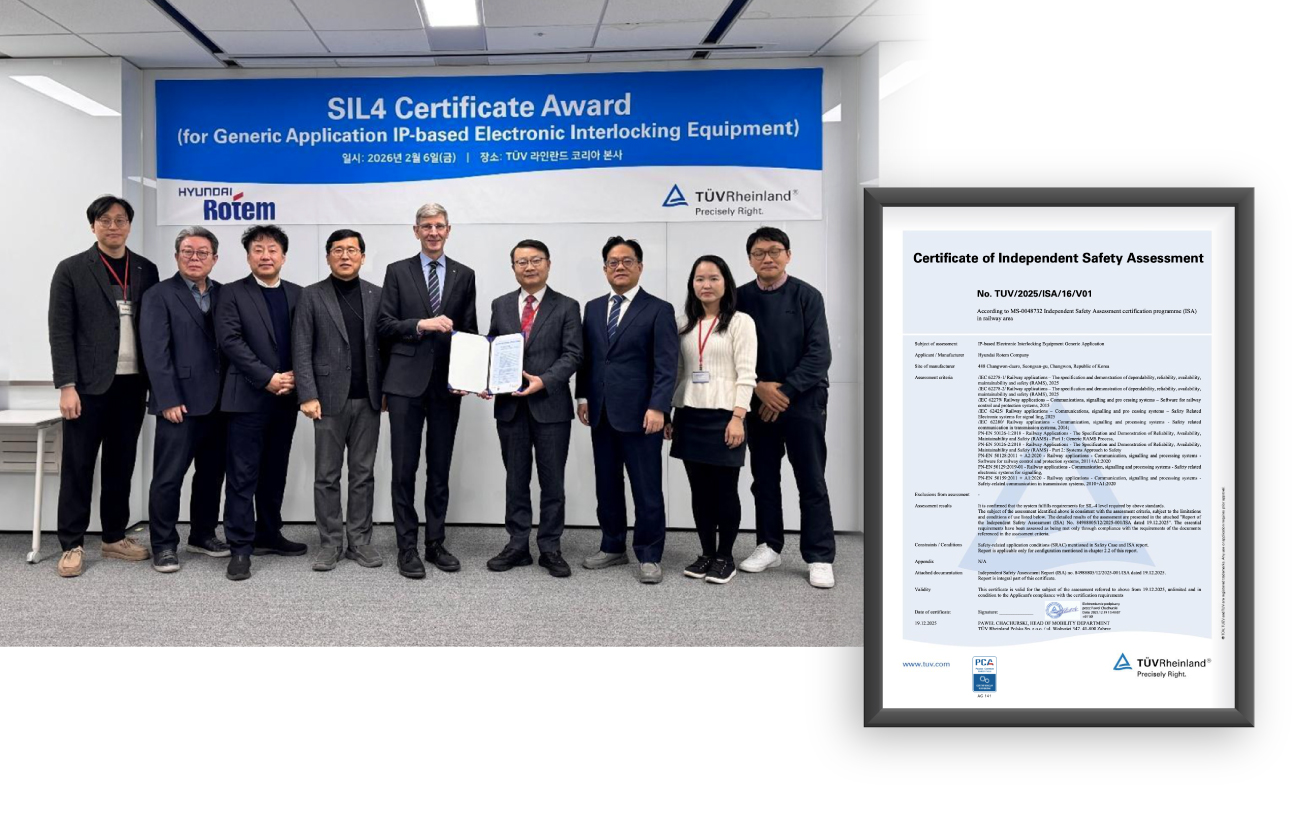
On February 6, 2026, Hyundai Rotem held a certificate award ceremony for SIL4 (Safety Integrity Level 4) of its “IP-based Electronic Interlocking Equipment (EIE)” at the headquarters of TÜV Rheinland Korea. The event was attended by key representatives from both companies, including Lee Won-sang, CTO of Hyundai Rotem’s RS R&D Hub; Kim Kyung-sik, Head of the Signaling & Communication Research Center; and Frank Juettner, CEO of TÜV Rheinland Korea, commemorating the achievement together.
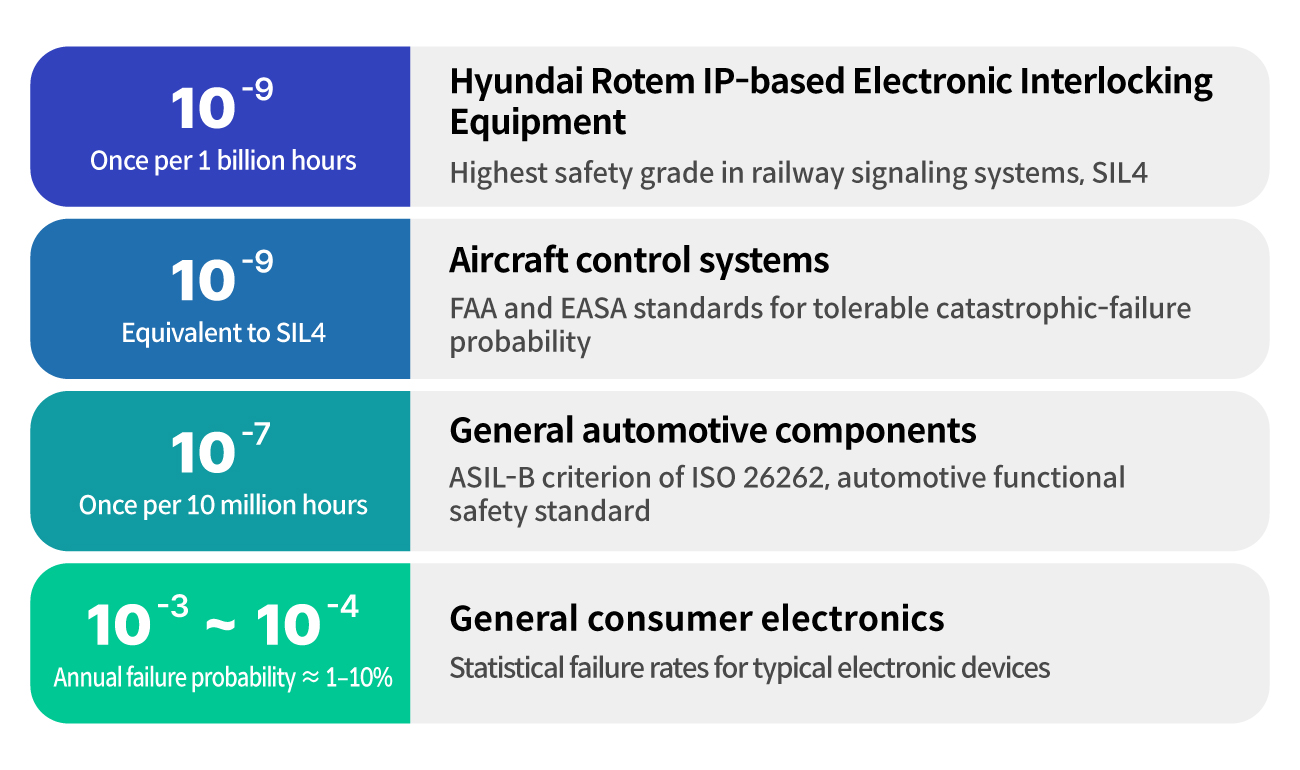
SIL (Safety Integrity Level) is an internationally recognized indicator of system safety and reliability defined under standards such as IEC 61508 and EN 50126. The highest certification level, SIL4, requires system failure probability to be controlled at an extraordinarily stringent level — equivalent to no more than one hazardous failure per one billion operating hours (10⁻⁹). In practical terms, this corresponds to allowing no more than a single catastrophic failure even if the system were to operate continuously for approximately 100,000 years.
In Korea, the revised Railway Safety Act enacted in 2018 made SIL4 certification mandatory for railway signaling safety systems. Likewise, many recent overseas railway projects now require SIL4 certification as a prerequisite for participation.
Beginning with the CBTC system project for the Almaty Metro in 2014, Hyundai Rotem has secured SIL4 certification across a wide range of onboard signaling systems, including KRTCS (now KTCS-M), ETCS-L2 (now KTCS-2), and the Balise Transmission Module (BTM). Building upon its technological expertise in developing KRS (Korean Railway Standards)-based interlocking systems, the company launched the development of its IP-based Electronic Interlocking System in June 2024 and successfully obtained SIL4 certification in approximately 18 months.
In addition, the KRS Electronic Interlocking System — for which independent development began in 2022 — achieved safety certification within 33 months and obtained Type Approval for Railway Components from Korea’s Ministry of Land, Infrastructure and Transport (MOLIT) in just six months, demonstrating the product’s high level of technological maturity.
Notably, the system incorporates the latest high-performance hardware to maximize control capability. Furthermore, based on an IP-based interlocking standard protocol, the system directly controls switches and signaling equipment, moving beyond conventional closed serial communication methods. It also implements advanced technology that ensures complete integrity of data transmission even within highly scalable IP-based networks.
By supporting both centralized and distributed architectures, the system expands operational options for clients while elevating the reliability of the railway’s “brain” — the core system responsible for train spacing and route control — to a world-class level.
More importantly, this in-house developed model completes Hyundai Rotem’s portfolio as a true Total Solution provider for railway signaling systems. Expanding beyond its established strength in onboard signaling systems, the company has now secured competitiveness in wayside signaling systems as well. With seamless integrated control between onboard and wayside systems now achievable, Hyundai Rotem has established a foundation for fundamentally resolving interface inconsistencies and maintenance delays that previously arose when systems from different manufacturers were combined.
More than simply certifying the safety of individual devices, this achievement represents international recognition of Hyundai Rotem’s overall system-level safety design and engineering capability. Leveraging its unique expertise spanning both onboard and wayside signaling technologies, Hyundai Rotem has taken another major step forward as an integrated railway solutions provider leading global industry standards.
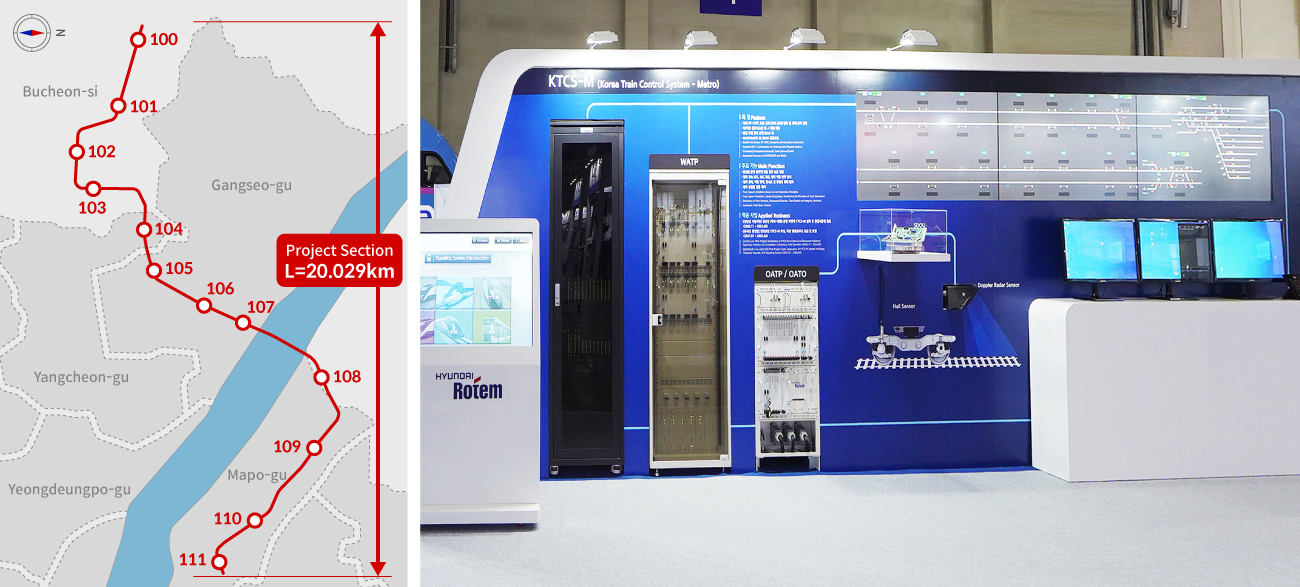
Building on these achievements, Hyundai Rotem is accelerating preparations for full-scale deployment in line with procurement plans by Korea National Railway (KNR) for high-speed rail interlocking system upgrade projects. To proactively address growing demand for IP-based interlocking systems, the company plans to complete Type Approval for Railway Components in collaboration with the (KRRI) by June 2026.
The advanced technologies secured through these efforts are set to be applied in the Daejang–Hongdae Line KTCS-M project, where their performance and reliability will be fully demonstrated in real-world operation. Leveraging this achievement as a foundation, Hyundai Rotem plans to actively participate in future high-speed rail upgrade projects as well as the development of the GTX (Great Train eXpress) metropolitan express railway network, contributing to the continued expansion of Korea’s national railway infrastructure.
Backed by proven domestically developed technologies, the company is expected to maximize the efficiency of the national railway network while securing a strong competitive advantage in the next-generation signaling systems market. Through these efforts, Hyundai Rotem aims to play a pivotal role in advancing Korea’s railway industry and strengthening its global competitiveness.
The Shield of Digital Mobility: The Cyber Security Standard “IEC 62443”

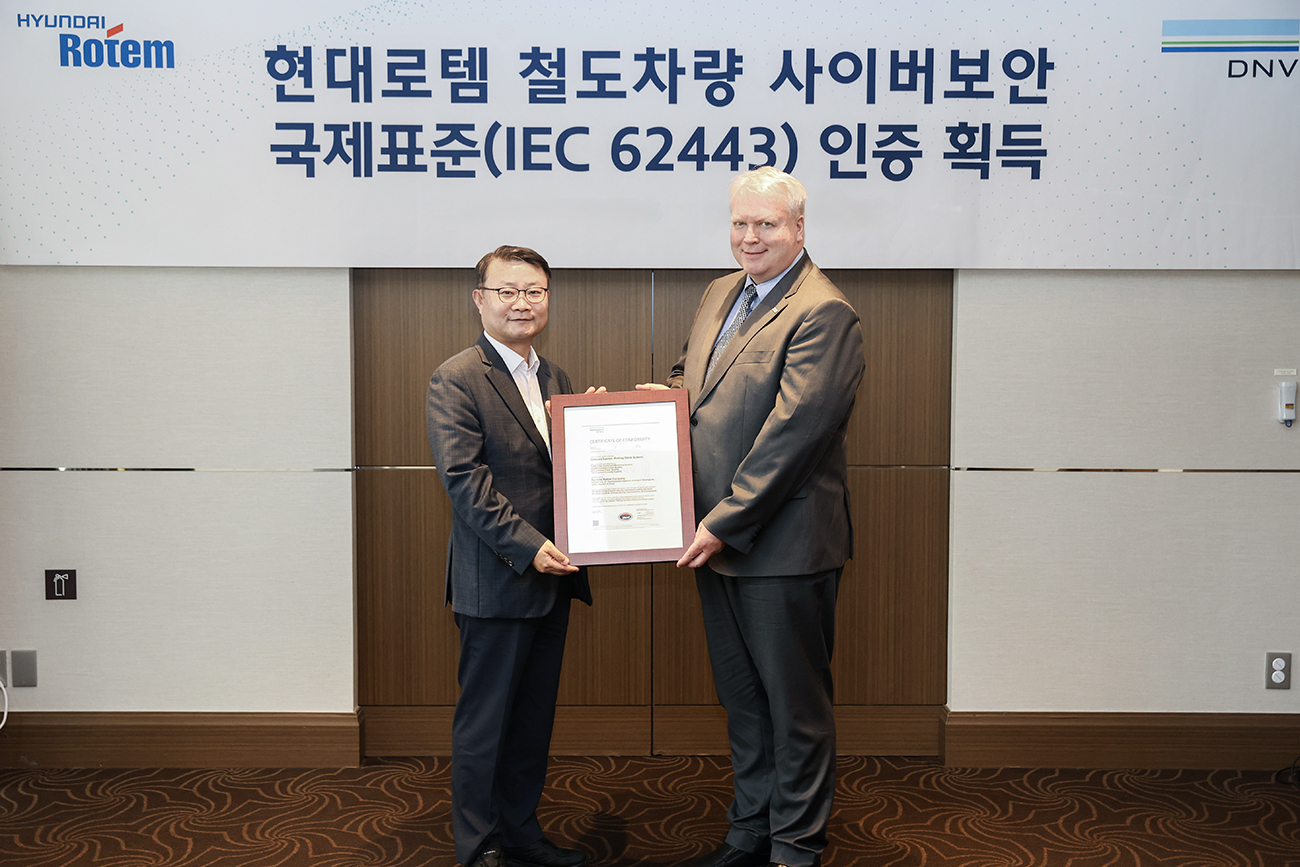
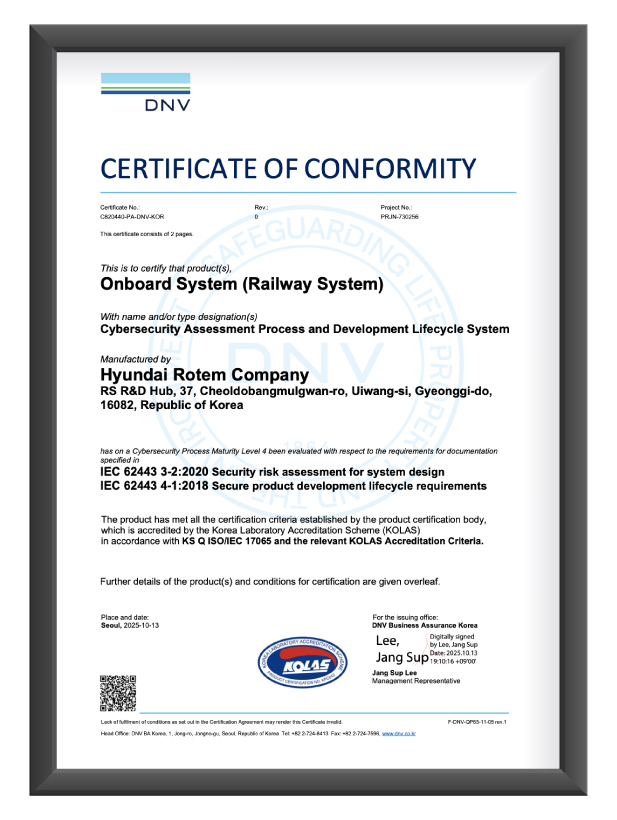
In the era of “smart rail,” where every train is interconnected through cloud-based and networked systems, cybersecurity has become directly linked to passenger safety. In October 2025, Hyundai Rotem became the first company in Korea’s railway industry to obtain certification under “IEC 62443,” the international standard for industrial cybersecurity, establishing a secure foundation for digital transformation in railway systems.
Established by the (IEC), IEC 62443 is a globally recognized standard designed to ensure the reliability and resilience of industrial systems against cyber threats. Beyond the technical objective of simply preventing external attacks, the standard presents a comprehensive framework for securing the reliability, stability, and integrity of the entire system.
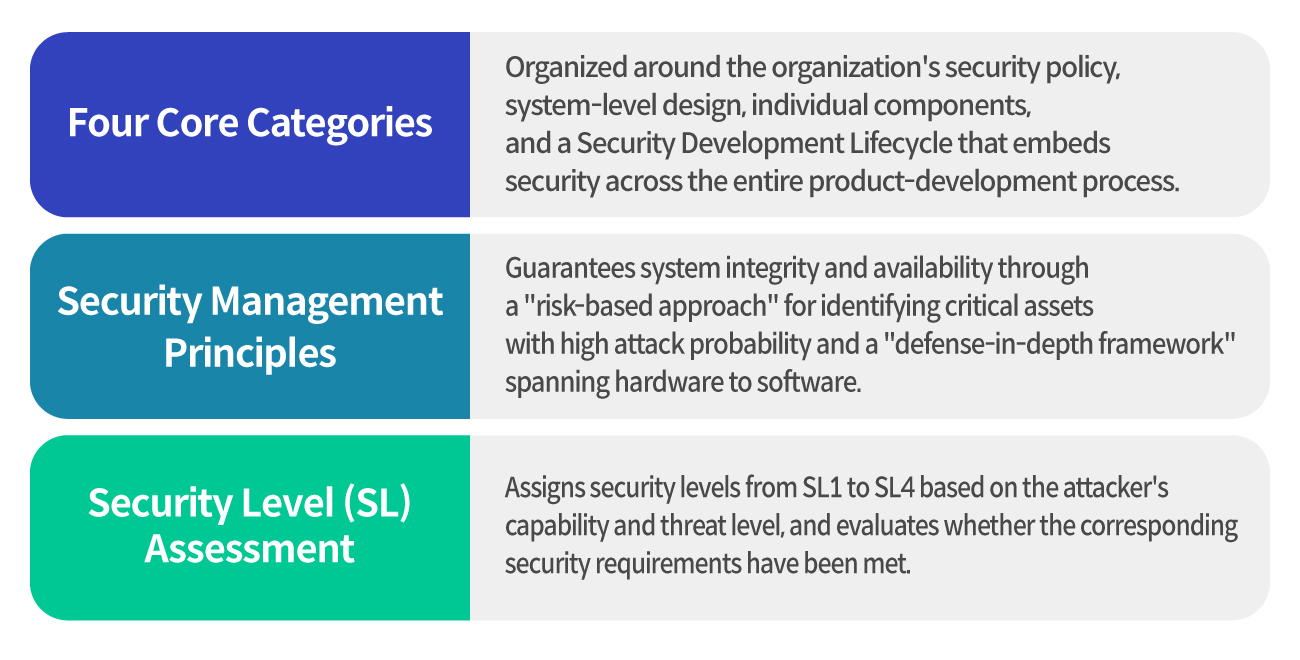
These stringent international-standard requirements have recently become an essential prerequisite in railway project tenders across major global markets, including Europe, North America, and the Middle East. As an increasing number of clients designate cybersecurity certification for railway systems as a mandatory bidding requirement, Hyundai Rotem proactively began establishing a railway-system cybersecurity management framework in March 2024.
As a result of these efforts — including the development of the framework and successful completion of the certification audit — Hyundai Rotem became the first company in Korea’s railway industry to have its cybersecurity management capability officially recognized based on the IEC 62443 standard.
TThe certification was first applied to the core driving and operational systems of railway rolling stock, including the Train Control & Monitoring System (TCMS) — often referred to as the “brain” of the train — as well as communication systems, propulsion systems, and auxiliary power supply systems. Through this approach, Hyundai Rotem has expanded cybersecurity coverage across the entire system, from perimeter protection to embedded security within critical assets, establishing a multilayered defense-in-depth architecture capable of responding to sophisticated cyber intrusion scenarios.
As smart trains become increasingly connected and digitally integrated, insufficient cybersecurity can directly lead to serious operational and safety risks. In this regard, the achievement demonstrates that Hyundai Rotem has secured a robust technological safeguard essential for competitiveness and survival in the future mobility market.
Through these achievements, Hyundai Rotem has secured the reliability of its cybersecurity solutions in a future railway environment where autonomous train operations and connected services are expected to become standard. At the same time, the company has established a technological foundation that places passenger safety and data protection at the highest priority within the rapidly evolving digital railway ecosystem.
Looking ahead, Hyundai Rotem plans to complete the internal integration of Europe’s Cyber Resilience Act (CRA) requirements and the international railway cybersecurity standard IEC 63452 by next year. The company also aims to expand the scope of certification beyond rolling stock systems to encompass overall railway infrastructure security, further strengthening its competitiveness in bids for major global railway projects.
Borderless Compatibility: “TSI” Design Certification, the Passport to the European Railway Market
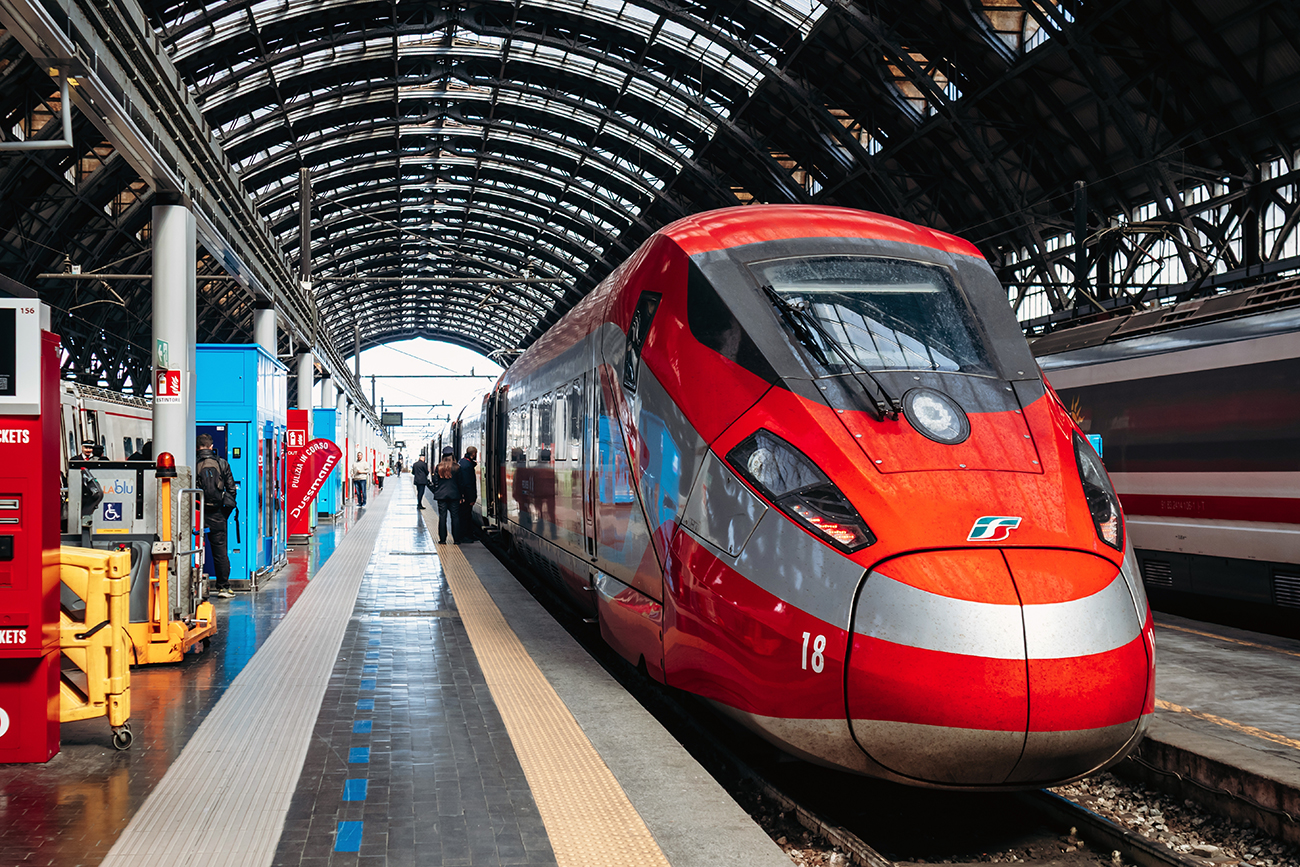
Hyundai Rotem’s technological innovation is now expanding beyond Korea into Europe — the birthplace of modern railways — as well as the Middle East, where large-scale railway investments are accelerating. At the center of this expansion is the “Technical Specifications for Interoperability (TSI)” design certification obtained in September 2024 for the EMU-320 (KTX-Cheongryong), a distributed-power high-speed train. This certification marks a significant milestone in Hyundai Rotem’s efforts to strengthen its competitiveness in the global high-speed railway market and establish a strategic foothold for entering overseas markets.
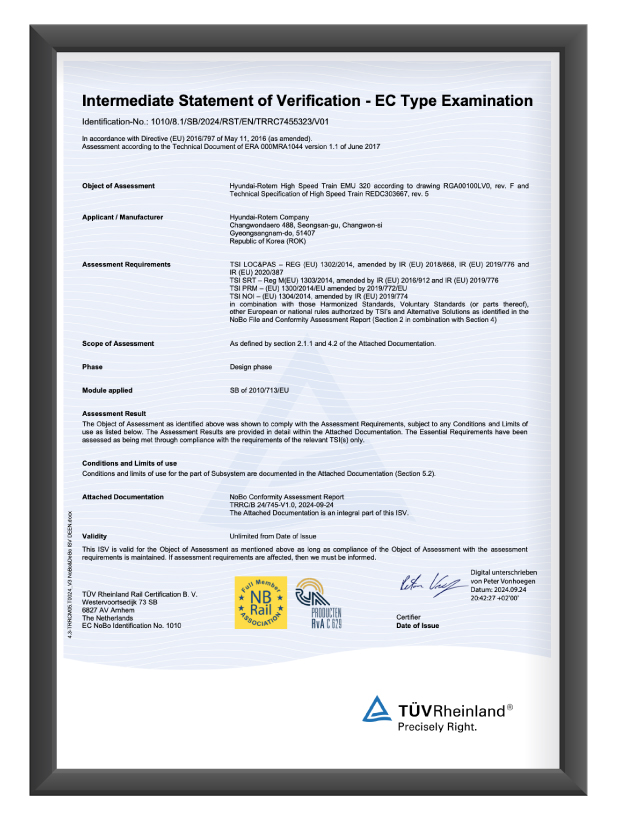
TSI is a railway technical standard introduced in 2008 to ensure seamless train operations among EU member states. It serves as both a legal and technical framework for guaranteeing interoperability across countries with different rail gauges, power systems, and signaling systems. In particular, the European railway market — home to global industry leaders such as Siemens of Germany and Alstom of France — applies TSI standards as a stringent entry requirement for non-European manufacturers.
Against this backdrop, the TSI certification obtained by Hyundai Rotem in the areas of high-speed rolling stock design and electrical systems represents official recognition that Korean high-speed trains possess mechanical and electrical interface capabilities fully aligned with European standards. More importantly, the certification opens opportunities not only in Eastern European markets such as Poland and Romania, but also in Western European markets — including Germany and France — that have traditionally been dominated by established global manufacturers.
This achievement signifies more than the simple export of Korean-made rolling stock. It demonstrates that Korean high-speed trains now possess the technical qualifications required to integrate seamlessly into the broader European railway ecosystem.
In recent years, TSI certification has rapidly emerged as a critical evaluation criterion not only for entering the European market, but also for high-speed rail tenders worldwide, including projects in Saudi Arabia, the UAE, and Southeast Asia. Particularly in regions such as the Middle East and Southeast Asia — where newly constructed railway lines frequently coexist with existing infrastructure and multinational suppliers participate simultaneously in projects — the ability to deliver rolling stock capable of operating flawlessly across diverse systems has become a decisive factor in competitive bidding.
For clients, TSI certification provides an immediate and objective benchmark for evaluating a supplier’s technological capability, safety standards, and international interoperability. Through this certification, Hyundai Rotem has gained official recognition for its ability to manage complex railway-system integration in global projects, as well as its engineering readiness to deliver high-speed rolling stock on schedule.
Following the company’s first overseas export order for high-speed trains in Uzbekistan in 2025, this achievement is expected to serve as a major catalyst for Hyundai Rotem’s full-scale expansion into the global high-speed railway market.
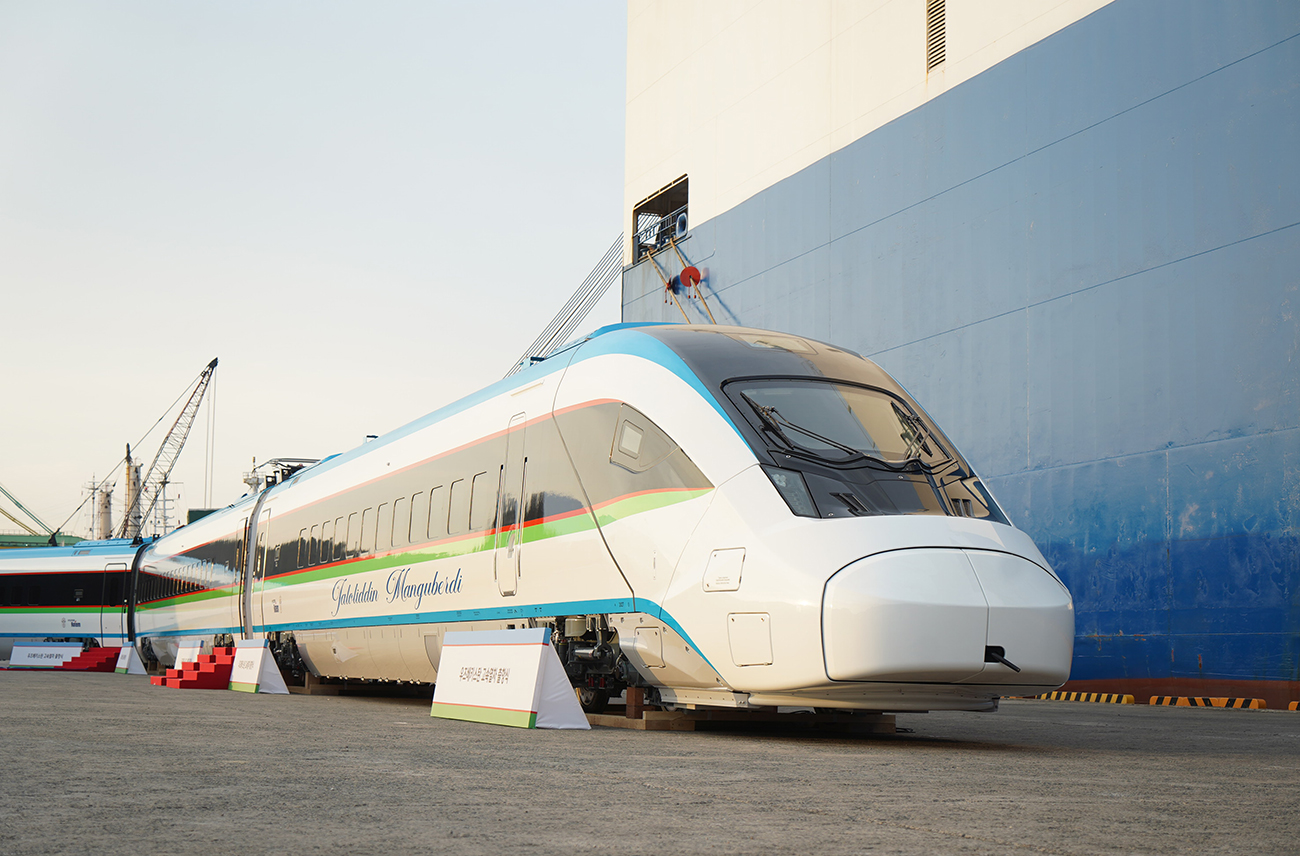
Furthermore, this achievement carries particular significance in that Korea — which relied on French TGV technology when the KTX first entered service in 2004 — has now overcome Europe’s long-standing technological barriers through its own independently developed technology. Approximately two decades after becoming the world’s fourth country capable of manufacturing high-speed trains with the launch of the KTX-Sancheon in 2008, Hyundai Rotem has achieved international recognition for the competitiveness of Korean high-speed railway technology in the European market.
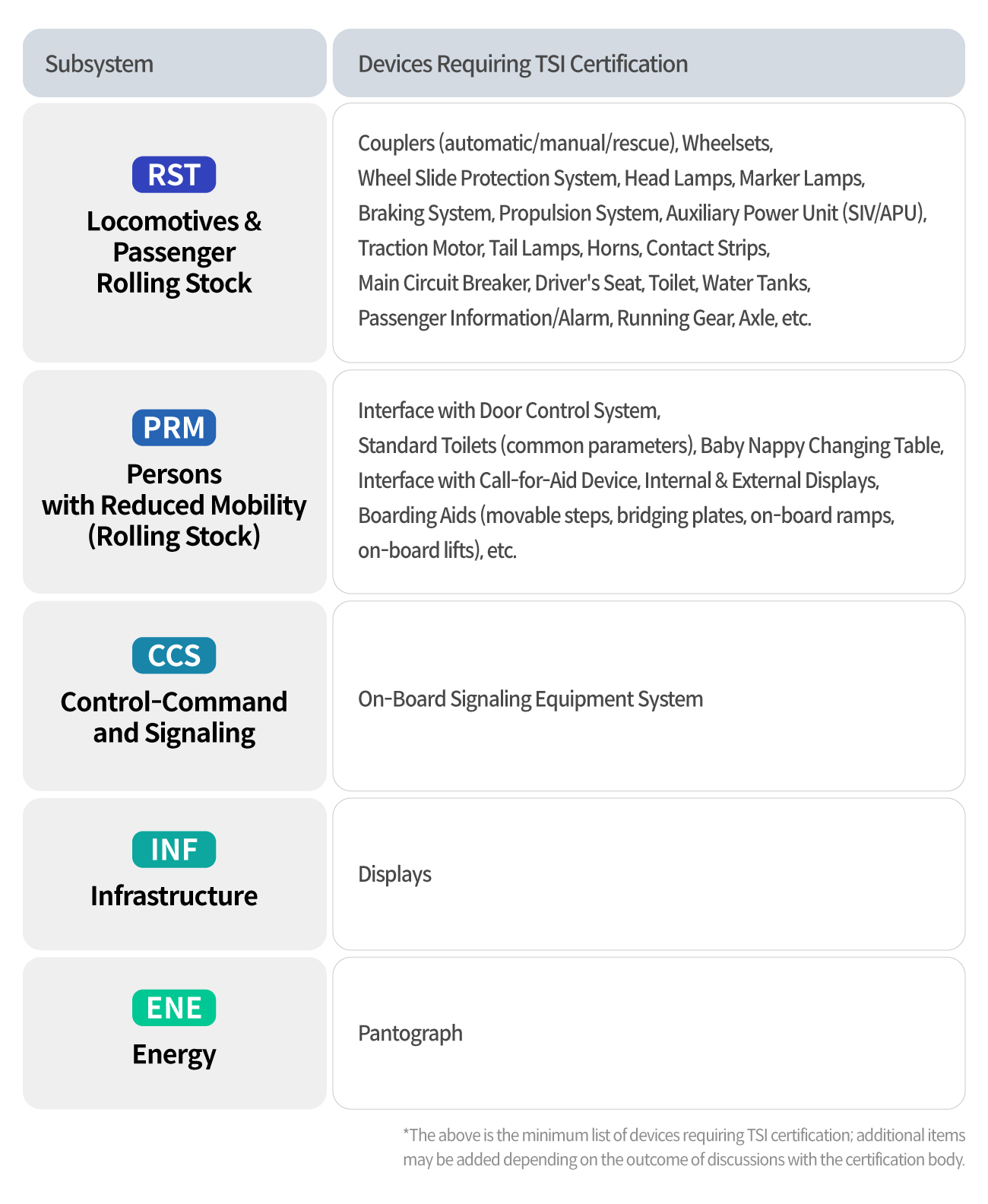
The accomplishment is also meaningful in that Hyundai Rotem simultaneously advanced the localization and TSI certification of 15 key railway components, including couplers, braking systems, and pantographs. Through this effort, the company has established a virtuous-cycle ecosystem that elevates the overall competitiveness of Korea’s railway component industry to a level aligned with European standards.
Proof of a Sustainable Future: GTX-A’s European “EPD” Certification
Sustainability is no longer merely a corporate slogan — it has become a tangible trade barrier and a key factor in global competitiveness. In response to this shift, Hyundai Rotem achieved another important milestone in December 2025, when the GTX-A trains manufactured for the Great Train eXpress (GTX) Line A became the first Korean rolling stock to obtain “EPD (Environmental Product Declaration)” certification from the European certification body.
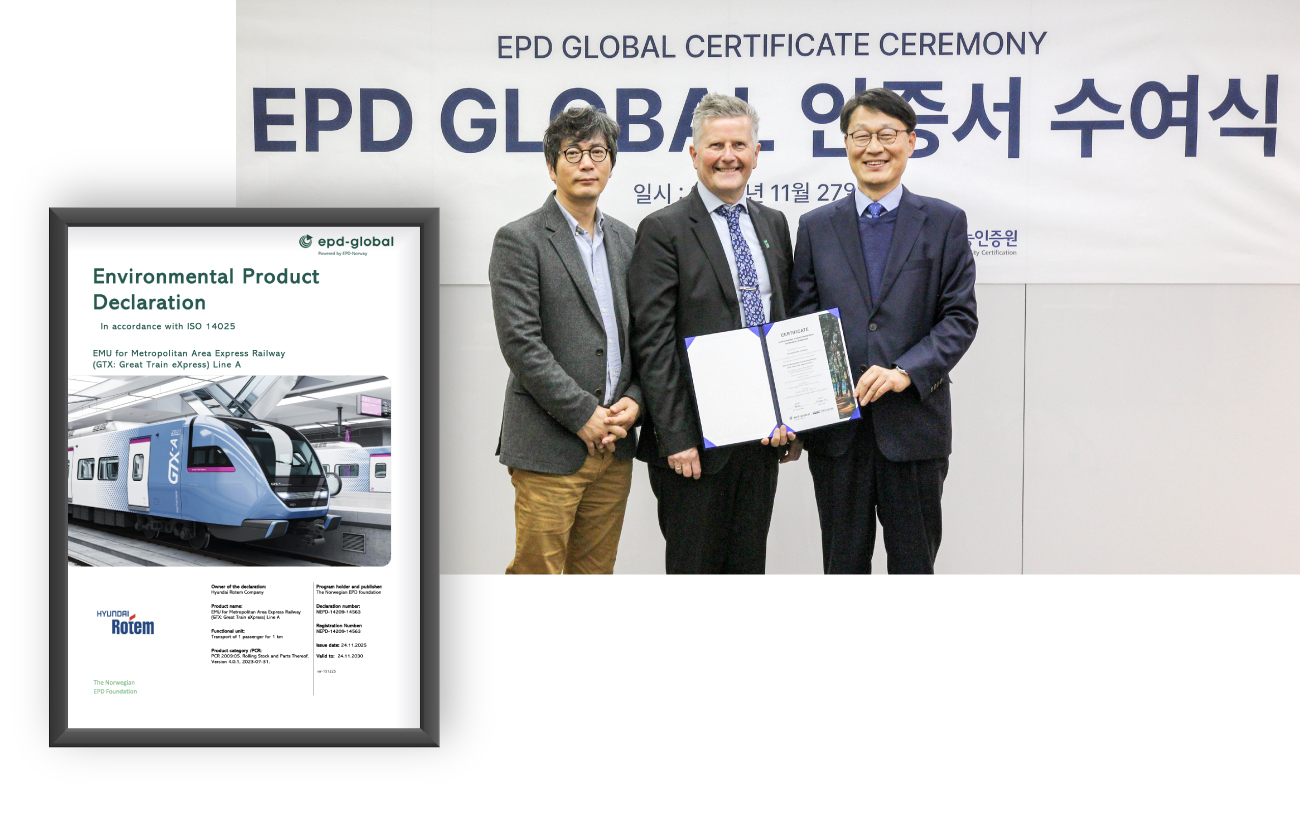
EPD is a certification system that quantitatively assesses and publicly discloses the environmental impact and carbon emissions generated throughout a product’s entire life cycle — from raw material extraction, manufacturing, and transportation to operation and final disposal. Through the EPD, major environmental indicators such as Product Carbon Footprint (PCF) and Ozone Depletion Potential (ODP) are transparently disclosed, enabling clients to objectively evaluate the environmental impact of rolling stock manufactured by Hyundai Rotem.
This certification provides ESG-focused global investors and procurement organizations with reliable, data-based information for verifying the environmental performance of railway vehicles. At the same time, it establishes a foundation for responding proactively to the rapidly evolving global market environment, where carbon regulations and environmental disclosure requirements are becoming increasingly stringent.
At a time when environmental information disclosure has become an essential requirement rather than an optional consideration, Hyundai Rotem can now present its sustainability-oriented product development capabilities to the global market on an objective and data-driven basis.
Oh Jae-ryong, a researcher in Hyundai Rotem’s Rail R&D Planning Team who led the initiative, described the certification as a turning point that could redefine the value of Korea’s railway industry.
“This GTX-A EPD certification is the result of the joint research project on ‘Life-cycle Carbon Reduction Technology Development for Railway Rolling Stock’ that we have been conducting with the Korea Railroad Research Institute since 2023,” he said. “Going forward, the value of railway rolling stock will expand beyond design and performance to include Life-Cycle Assessment (LCA), and this achievement will serve as an important turning point.”
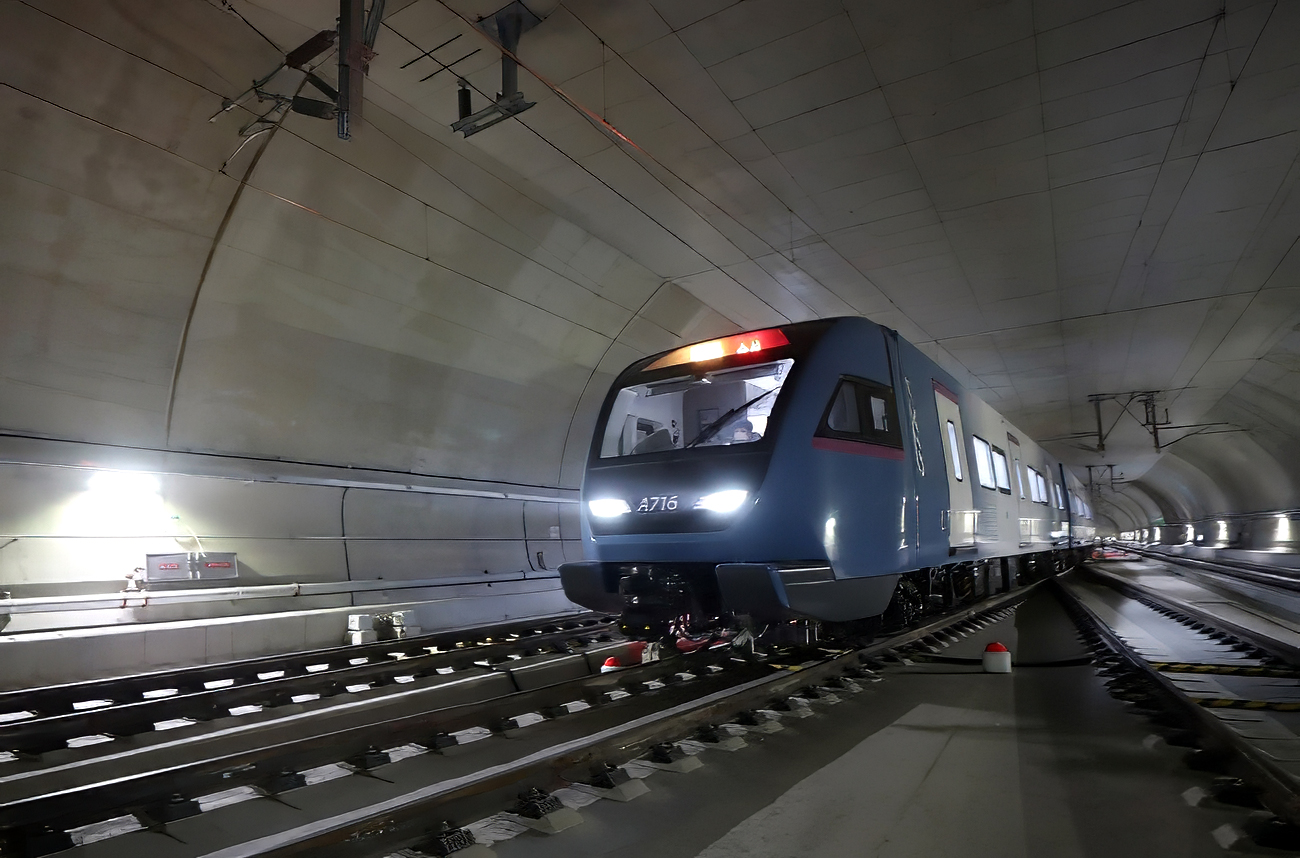
To obtain EPD certification, Hyundai Rotem conducted extensive analysis based on large-scale environmental data. In accordance with the Product Category Rules (PCR) — the guidelines for preparing EPD certification for railway rolling stock — the company carried out a comprehensive Life-Cycle Assessment (LCA) covering every stage of the vehicle’s life cycle, including raw-material extraction, manufacturing, operation, maintenance, and final disposal.
Through this analysis, Hyundai Rotem identified “electricity consumption during operation” and the “production of major metallic materials” as the most significant contributors to environmental impact. Based on these findings, the company applied a range of environmentally optimized designs and technologies to the GTX-A trains in order to improve energy efficiency and reduce carbon emissions.
To minimize aerodynamic resistance, the trains adopted a streamlined front-end design, while high-strength aluminum-extruded car bodies were applied to reduce overall vehicle weight. In addition, Hyundai Rotem incorporated its Green Technology-certified “Zero-Speed Regenerative Braking” system, which recovers and reuses energy generated during braking. This technology not only improves energy efficiency, but also contributes to reducing operational noise and particulate emissions during service.
Reference : Hyundai Rotem’s Eco-friendly Railway Technology Leading ESG Management
These efforts are translating directly into tangible competitiveness in the global market. In Europe, regulatory requirements are rapidly becoming more stringent through initiatives such as the “Ecodesign for Sustainable Products Regulation (ESPR),” which requires manufacturers to incorporate durability, recyclability, and energy efficiency into product design from the earliest development stages. At the same time, as the “Carbon Border Adjustment Mechanism (CBAM)” moves toward full-scale implementation, securing transparent carbon-emissions data across the entire product life cycle has become a critical challenge for rolling stock manufacturers that rely heavily on materials such as steel and aluminum.
Against this backdrop, Hyundai Rotem’s EPD certification represents more than a simple environmental credential. It demonstrates the company’s capability to proactively respond to increasingly complex global environmental regulations while strengthening its competitiveness in future international railway tenders where sustainability and carbon transparency are becoming key evaluation criteria.
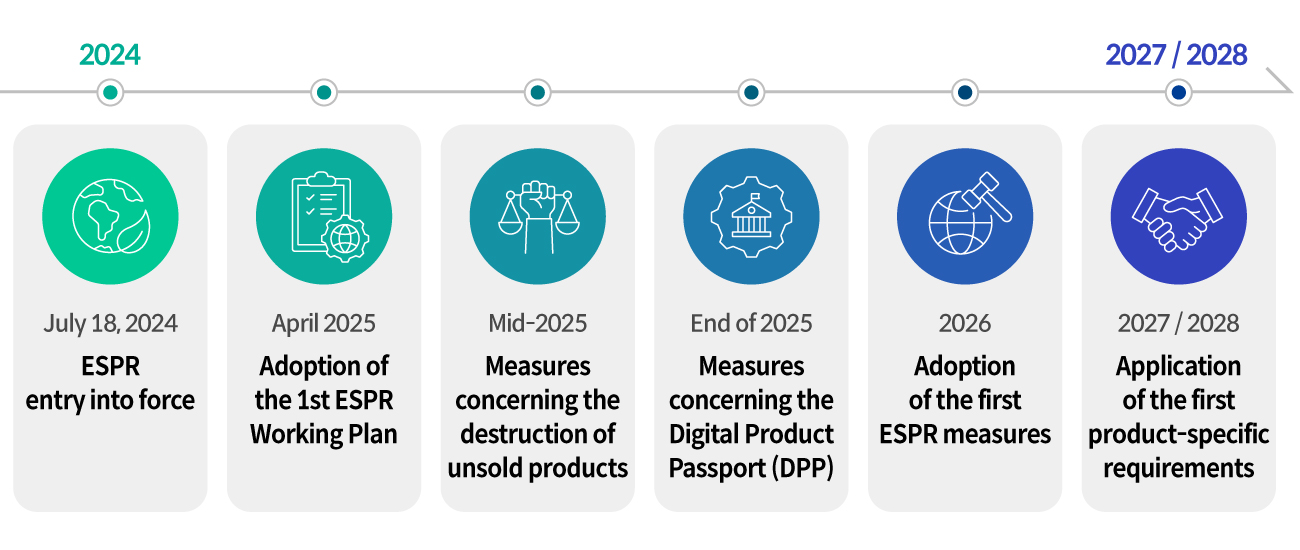
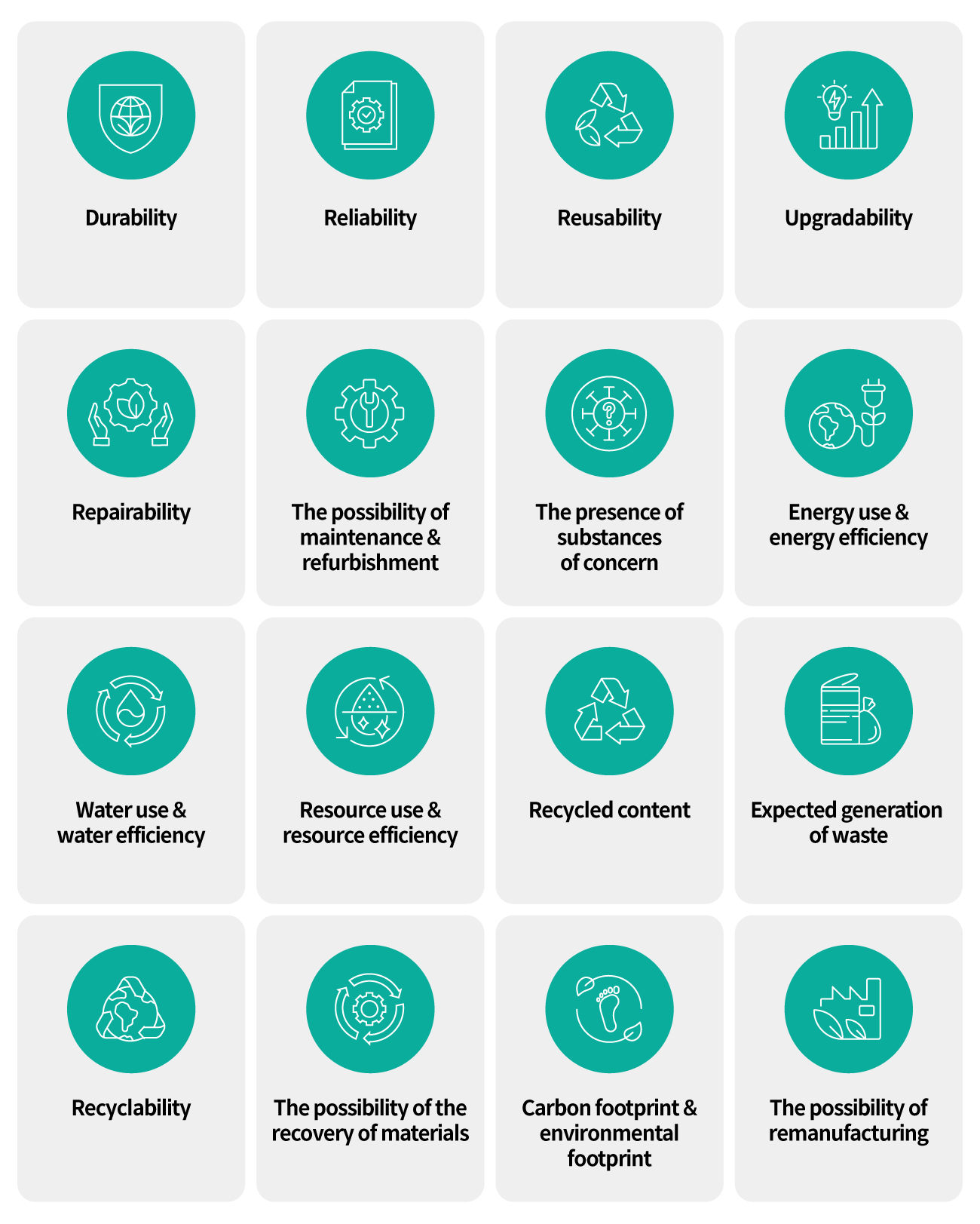
As global clients increasingly incorporate not only technical performance but also environmental compliance capability into their core evaluation criteria, Hyundai Rotem is strengthening its competitiveness in the international market by demonstrating sustainability through data-driven environmental information.
“Eco-design principles will become firmly established as key decision-making criteria from a full life-cycle perspective beginning at the design stage,” the researcher explained. “Building on this experience, we plan to further advance our data-driven environmental performance management system covering the entire product life cycle.”
From Follower of Standards to Creator of Standards
Hyundai Rotem’s successive achievements in securing global certifications are not simply about building specifications for individual project wins. Rather, they are the result of a long-term strategic approach that proactively anticipates the evolving requirements of the global market and concentrates the company’s R&D capabilities on meeting — and ultimately shaping — international standards.
By establishing the four core pillars of safety (SIL4), cybersecurity (IEC 62443), European interoperability (TSI), and environmental performance (EPD), Hyundai Rotem has moved beyond the role of a late follower striving to meet standards defined by others. Instead, the company has positioned itself as a key global player capable of standing alongside the world’s leading railway manufacturers on equal footing.
The future of Korea’s railway industry is no longer defined solely by propulsion technology or manufacturing capability. It is increasingly about establishing trusted global benchmarks for safety, interoperability, cybersecurity, and sustainability across the international railway market. This technological confidence and accumulated expertise will serve as an important foundation as Hyundai Rotem continues to achieve new milestones and expand its presence in the global railway industry.