
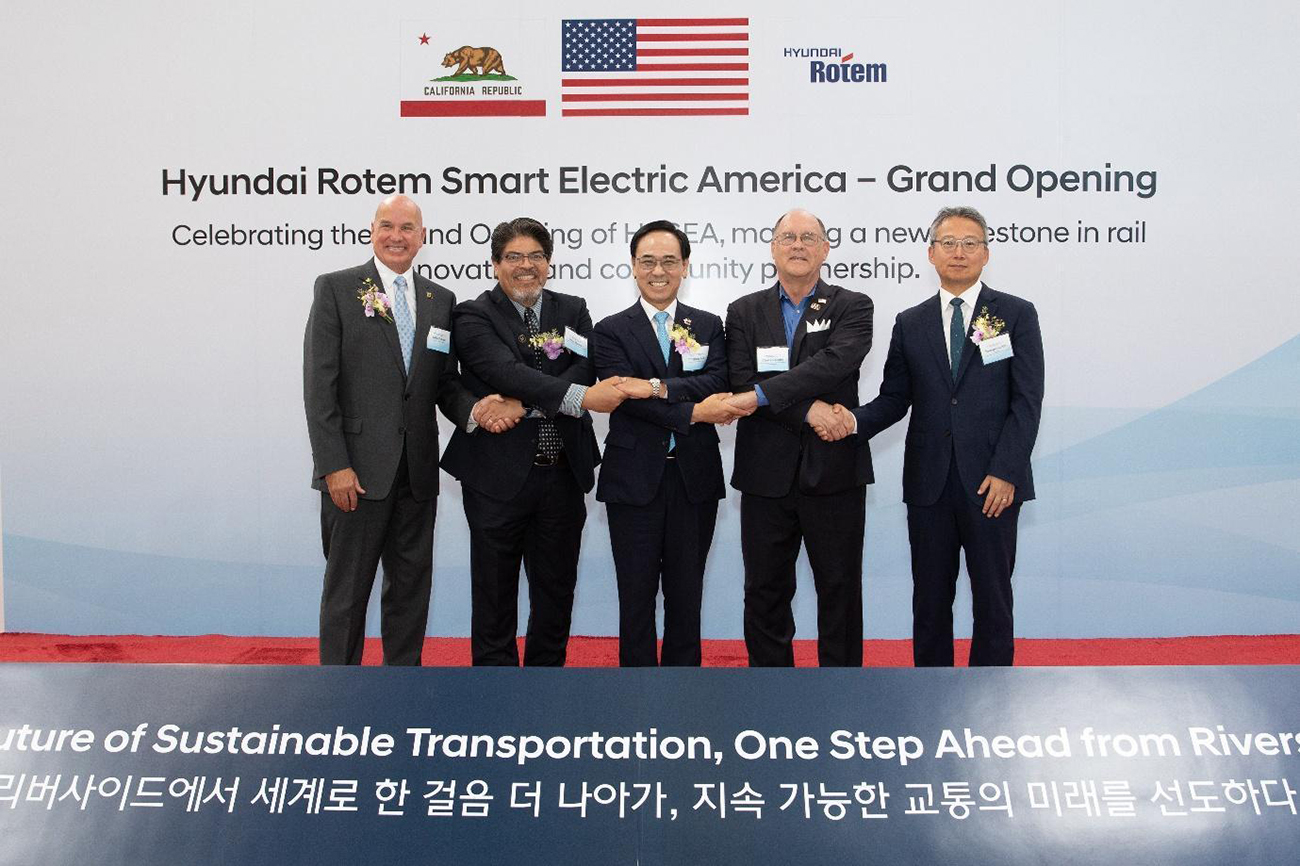
Competition in the global railway industry is more intense than ever. Traditional European powerhouses and rapidly emerging manufacturers are engaged in a fierce race for market share across key regions such as North America and Europe. Amid this turbulent landscape, Hyundai Rotem has chosen a proactive strategy of “localizing core technologies” to strengthen its position—not merely as a train manufacturer but as a global railway technology leader. This strategy came to fruition in September 2025 with the inauguration of Hyundai Rotem Smart Electric America (HRSEA) in Riverside, California. As a U.S. production hub for electric equipment systems, HRSEA embodies Hyundai Rotem’s commitment to building technological independence within the North American railway market.
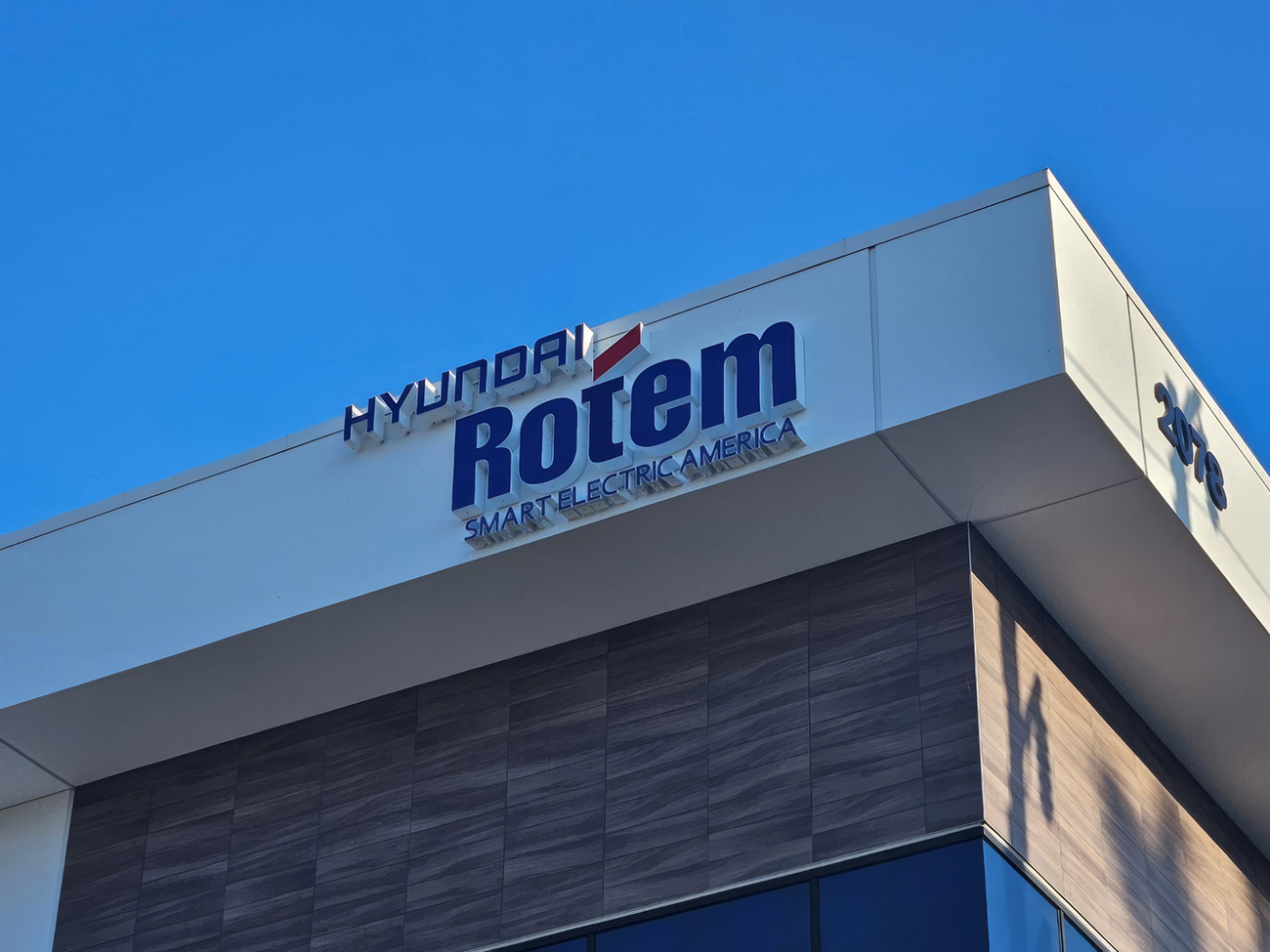
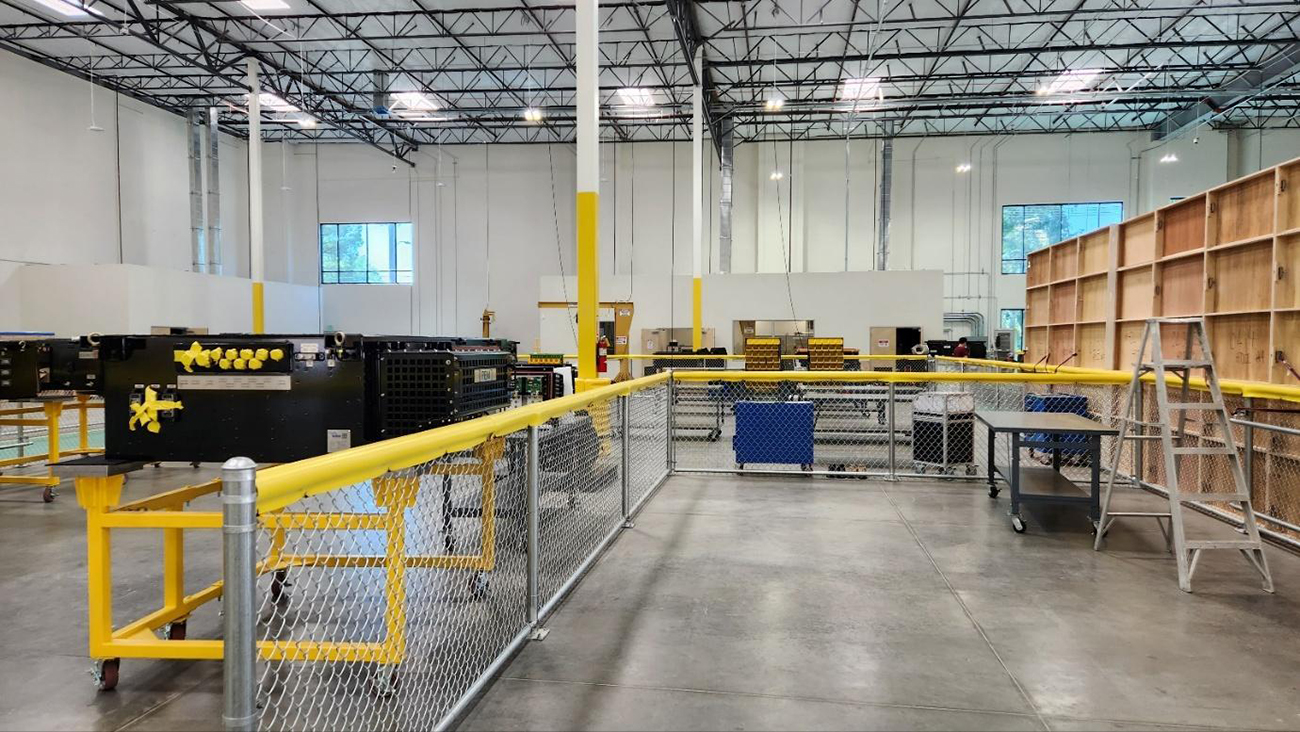
Built on a site of approximately 8,500 m², the facility goes far beyond a simple component assembly line. It stands as a symbol of technological independence and a global strategic hub, where Hyundai Rotem’s decades of expertise in propulsion control and energy management— core technologies for electric equipment system— are implemented directly in North America. At the same time, it establishes an integrated system covering design, manufacturing, testing, and after-sales support.
For years, companies entering the North American rolling stock market have relied on global suppliers for key electric equipment, even when manufacturing rolling stock locally. This dependency has often led to supply-chain vulnerabilities, cost increases, and slower responses to the maintenance requirements of local operators. The establishment of HRSEA marks a turning point in this structure. It highlights Hyundai Rotem’s expanded role in North America as a Tier 1 supplier of core technologies, strengthening its competitiveness beyond conventional rolling stock manufacturing.
Navigating the “Buy America” Barrier Through Strategic Localization
The U.S. railway market is defined not only by its vast scale but also by its high barriers to entry. Despite operating the world’s largest rail network, the United States exhibits characteristics that differ significantly from those of Europe’s major railway markets. While the European market emphasizes standardized specifications and cross-border interoperability—prioritizing on refined interfaces and operational efficiency—the North American market places greater importance on exceptional durability for long-distance, transcontinental operations, the strength required to handle heavy freight loads, and, above all, the protectionist policy known as “Buy America,” designed to safeguard domestic industry.
In particular, the railway infrastructure projects funded by federal programs require strong compliance with the “Buy America” policy. For global companies, this represents more than a regulatory hurdle— it is a strategic gateway closely tied to long term competitiveness and market access. By establishing a localized production system for core components such as propulsion control systems and traction motors, Hyundai Rotem has maximized its ability to meet these requirements. At the same time, it has significantly narrowed both the physical and psychological distance with its key local customer, the Los Angeles County Metropolitan Transportation Authority (LACMTA). This relationship extends beyond a conventional supplier arrangement, evolving into a flexible technology partnership capable of responding to customer needs in real time.
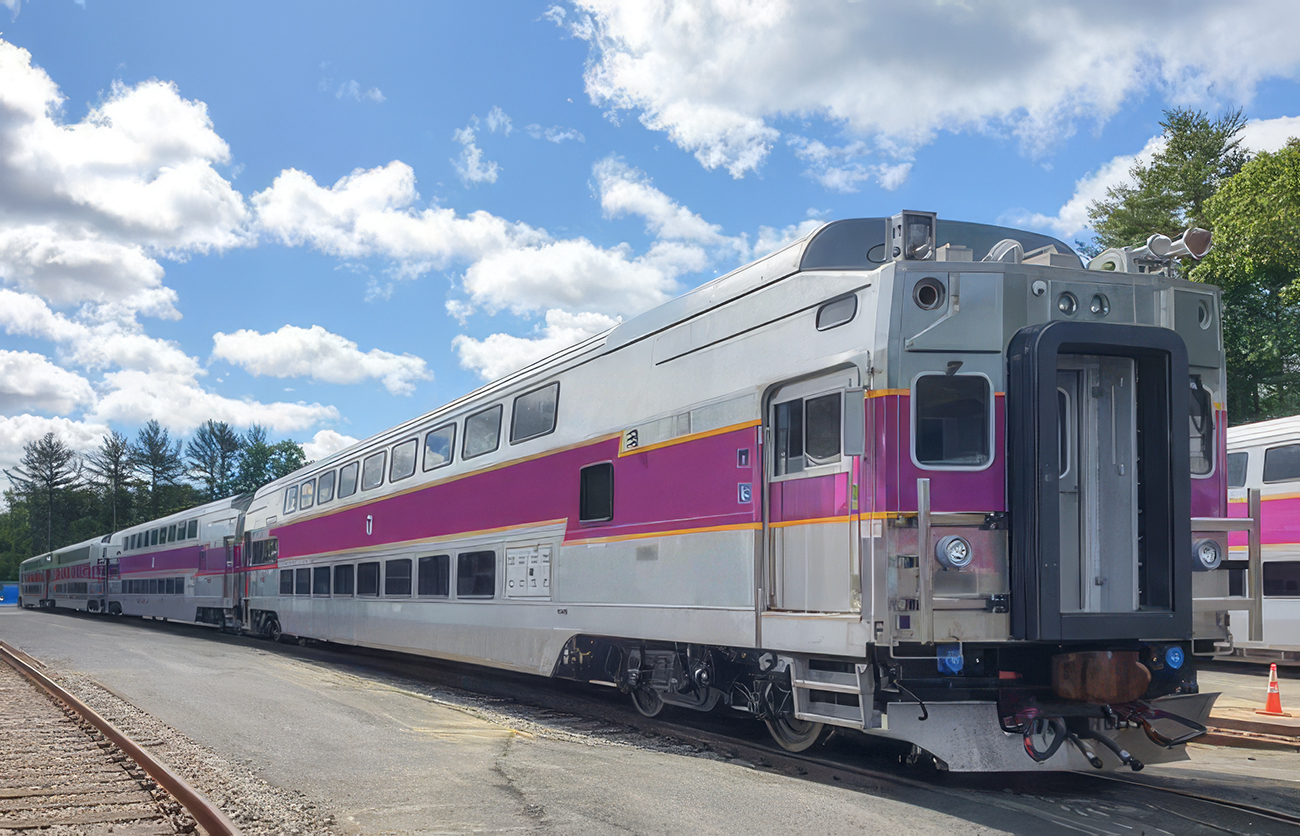
Such a strategic move was not made overnight. Since its first project in 2006 — the California bi-level passenger car project— Hyundai Rotem has steadily built a strong track record across major cities, including Florida, Philadelphia, Boston, and Denver, contributing to the modernization of North American rail infrastructure for nearly two decades. In particular, the LA Metro EMU contract awarded in 2024 marked the culmination of the trust Hyundai Rotem has established through years of collaboration in the region.
A notable feature of Hyundai Rotem’s U.S. market strategy is its “co-growth model,” which emphasizes collaboration over independent expansion. By partnering with competitive Korean component suppliers, Hyundai Rotem facilitates joint entry into North America— enabling the broader Korean rolling stock supply ecosystem to establish a strong foothold in the major global market.
At the same time, its local production serves as a hub for transferring Korea’s advanced manufacturing expertise to the local workforce. Through job creation and structured technical training programs in Riverside, Hyundai Rotem contributes to regional economic development while fostering a sustainable cycle in which locally produced technologies support the modernization of U.S. rail infrastructure. Through this approach, Hyundai Rotem is positioning itself not merely as a “foreign supplier,” but as a trusted “local partner” within the North American rail industry.
A Strategic Approach for Overcoming Barriers: Modular and Lightweight Design
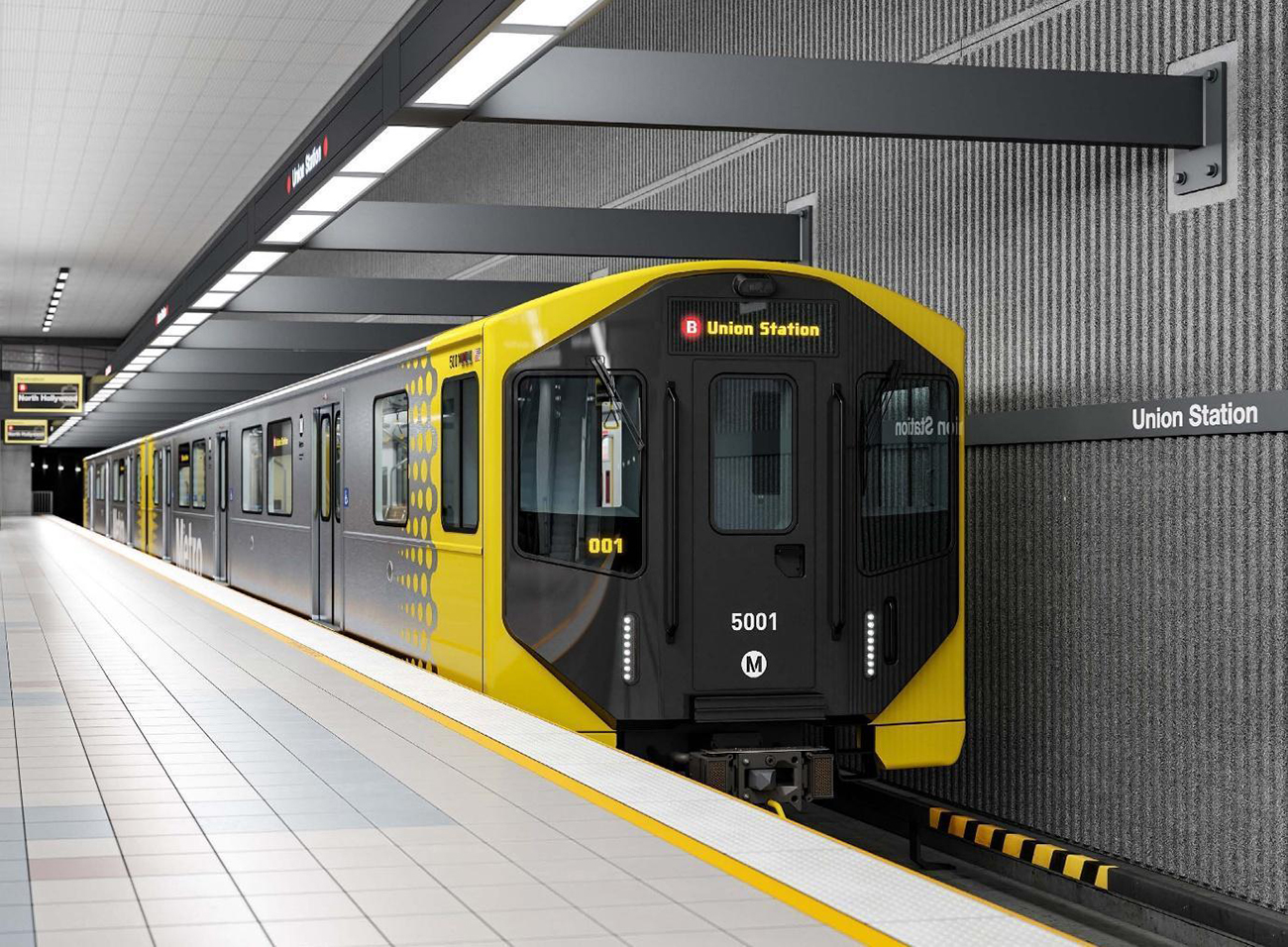
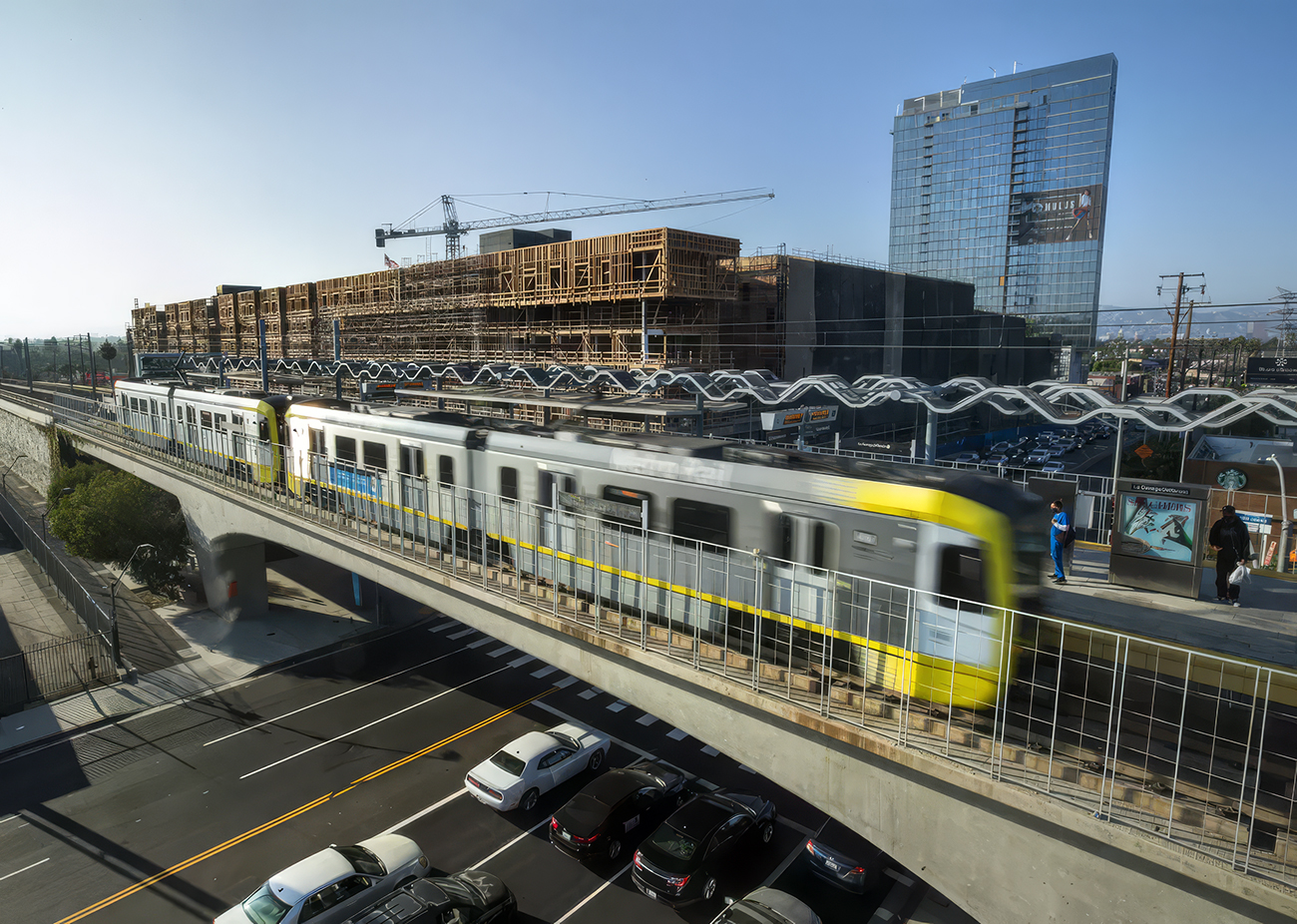
A key milestone in understanding HRSEA is the “LA Metro HR5000 Project.” In 2024, Hyundai Rotem USA Corporation secured a contract valued at approximately KRW 868.8 billion to supply electric multiple units (EMUs) to the Los Angeles County Metropolitan Transportation Authority (LACMTA). Covering 182 vehicles, the project will replace aging trains that have been in operation since 1993, while playing a critical role in meeting the rising transportation demand ahead of the 2028 Los Angeles Olympic and Paralympic Games.
During the selection process, LACMTA placed greater emphasis on proven project execution capabilities, performance track record, and technical expertise—rather than price alone— in an effort to minimize the risk of delivery delays and quality issues. Hyundai Rotem ultimately secured the contract over major global competitors, supported by its strong delivery performance—including early completion achievements in projects such as the Vancouver automated light rail vehicle (LRV) project in Canada—and its well-established reputation for rigorous quality control.
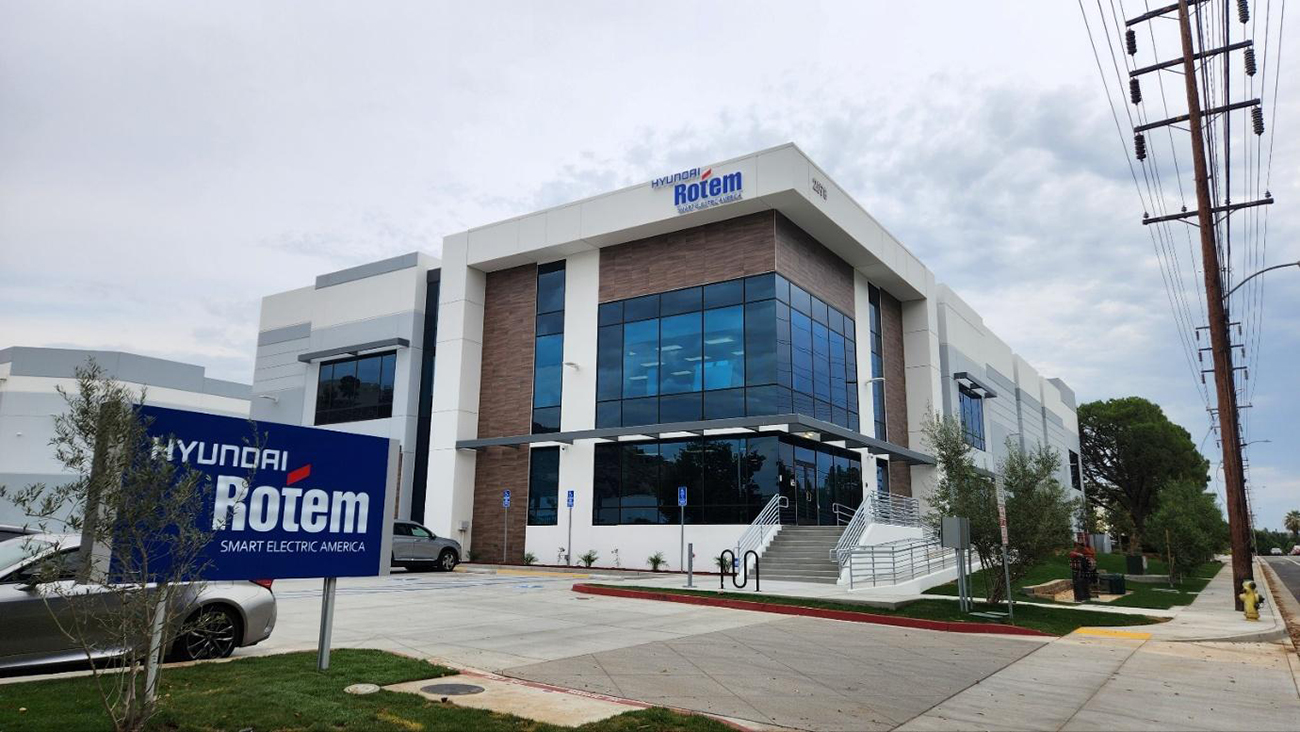
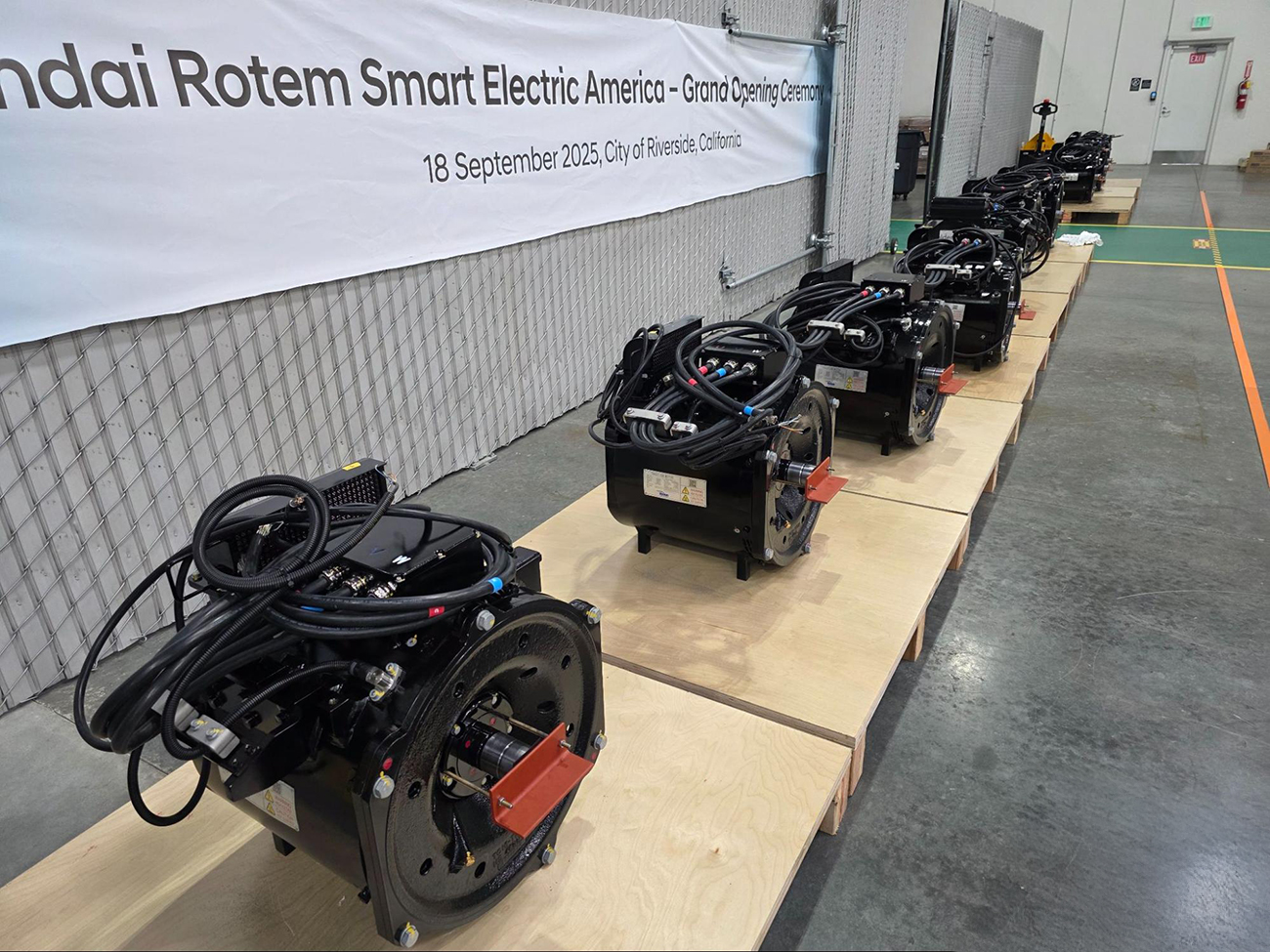
This project goes far beyond a simple vehicle supply contract; it serves as a catalyst for the establishment of Hyundai Rotem Smart Electric America (HRSEA) in the United States. HRSEA will manufacture four key electric equipment systems for the HR5000 project—traction inverters, traction motors, auxiliary power units, and high voltage (HV) boxes—serving as the technical backbone underpinning the project’s success.
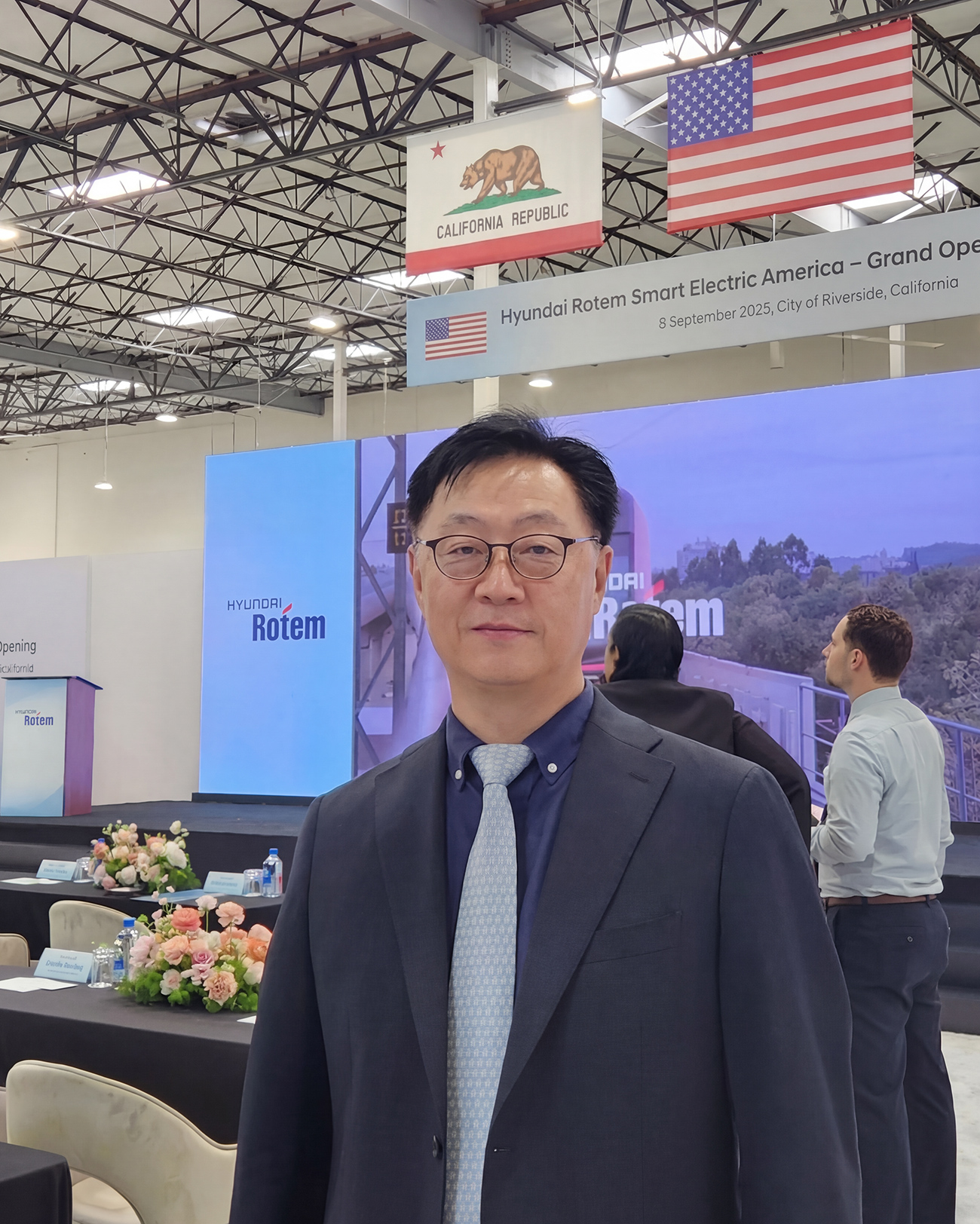
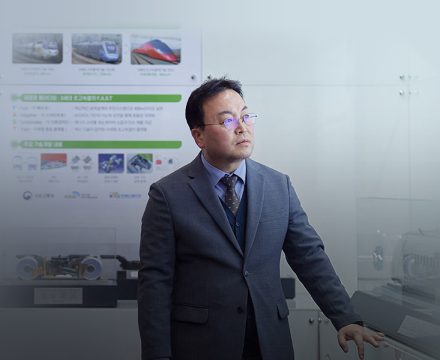
Choi Yeol-jun, Head of Hyundai Rotem’s Electric Equipment System Development Center and the engineer leading local production of key propulsion systems for the HR5000 project, emphasized the importance of modularization in the project’s design strategy. “Since these components will be manufactured overseas for the first time, we placed a strong focus on modularization to maximize production efficiency and ease of assembly. Modularization not only simplifies manufacturing but also enables significant weight reduction across the system,” he explained.
This strategy lies at the core of Hyundai Rotem’s engineering approach to addressing one of the most demanding requirements of the North American railway market—strict weight limitations. To meet this challenge, Hyundai Rotem introduced a fundamental design innovation in the traction inverter, the core component of the train’s propulsion system. The originally proposed configuration—featuring two separate units per vehicle—was reengineered into a single integrated enclosure. This approach increased circuit integration and optimized cooling efficiency, while simultaneously reducing overall system weight and enhancing cost competitiveness.
The traction motor, another critical component of the electric equipment system, adopts a side-mounted configuration tailored to North American operational requirements. Unlike conventional designs—which require separating the carbody from the bogie during inspection—the new configuration allows the motor to be removed without detaching the bogie, significantly improving maintenance efficiency.
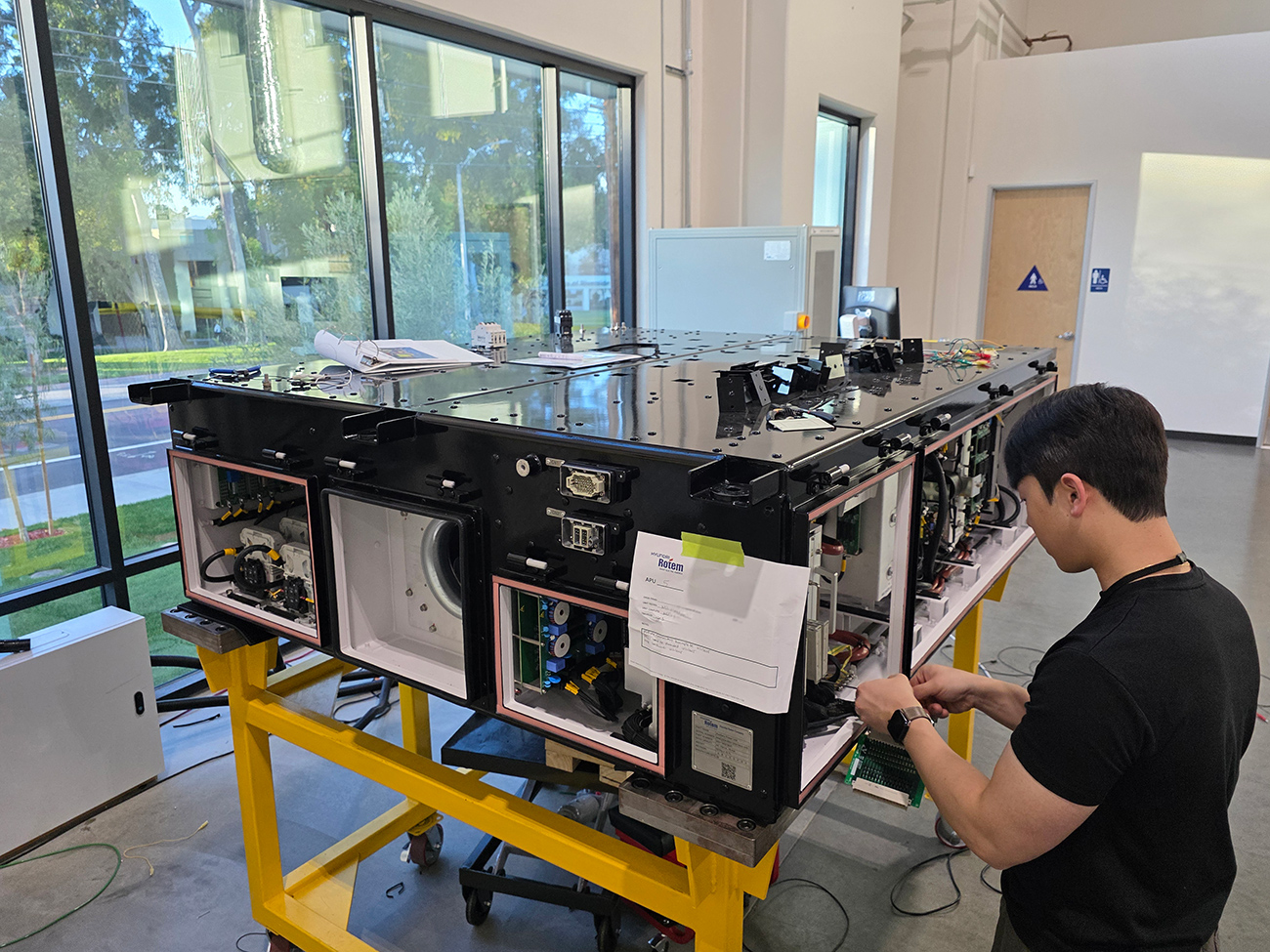
The auxiliary power unit (APU) enhances operational availability by adopting a system that independently controls the battery charger and inverter. The high voltage(HV) box further improves efficiency by integrating previously separate components—including the high speed circuit breaker (HSCB), voltage intensity control unit (VICU), knife switch, and contactor—into a single enclosure, thereby simplifying installation and significantly reducing underfloor weight.
These comprehensive lightweight engineering efforts position Hyundai Rotem on par with, or even ahead of, established global electrical system suppliers. With mass production on the horizon, the system is expected to deliver enhanced energy efficiency while meeting the rigorous technical standards of the North American railway market.
A Korea–U.S. Hybrid Technology Model Delivering Hyundai Rotem’s Quality DNA Across North America
Such hardware-level design innovation can only be fully realized when supported by advanced software capabilities and intelligent production systems. For this reason, HRSEA’s operating philosophy is defined by two key pillars: smart and quality. Hyundai Rotem is progressively implementing AI-driven quality control and data analytics systems as it advances toward smart factory operations.
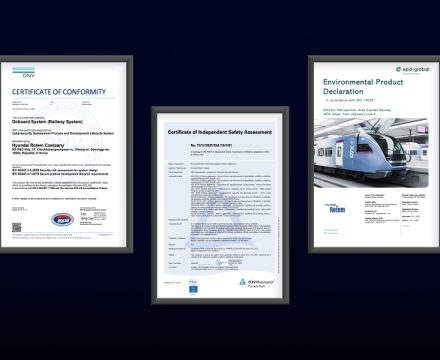
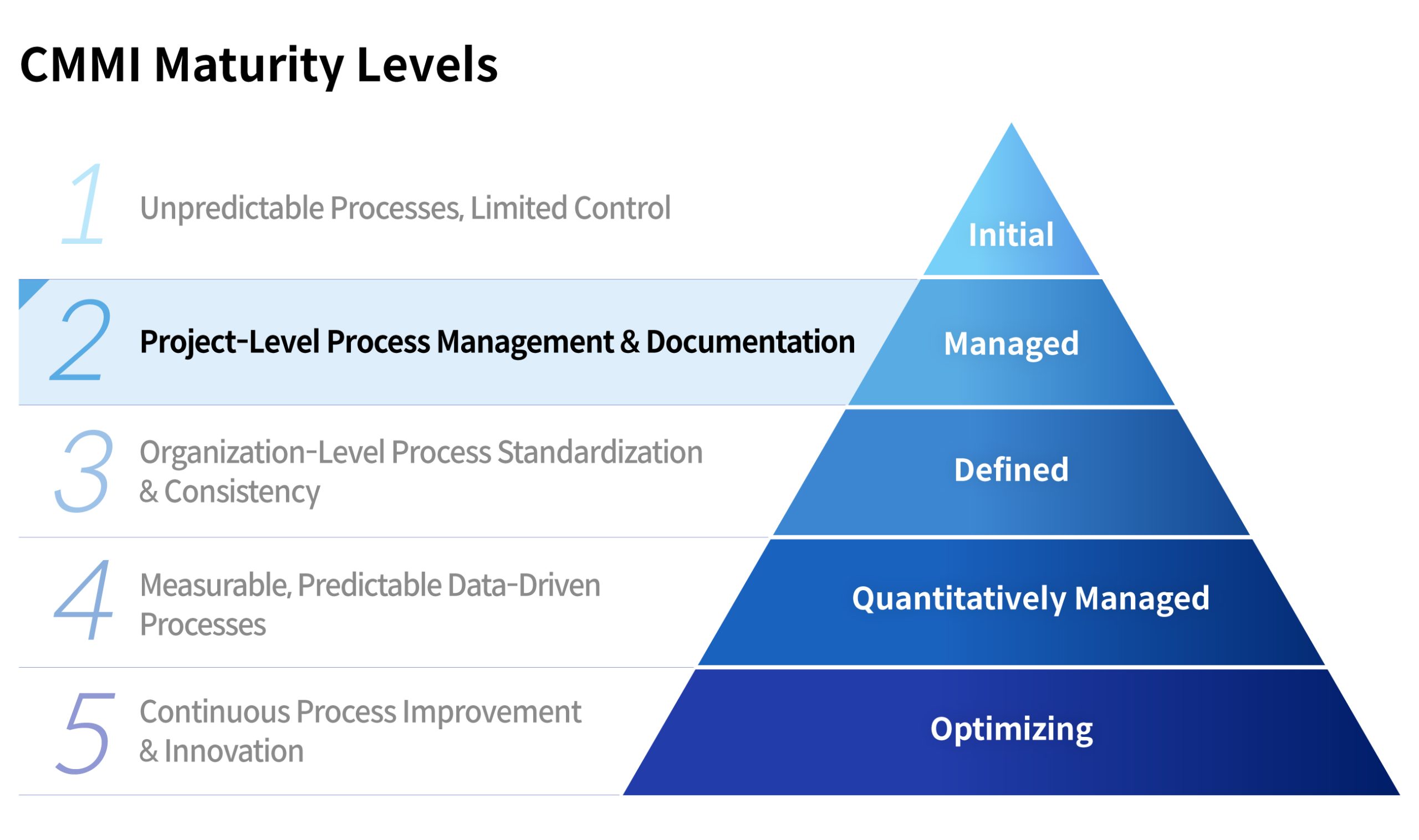
In electric equipment systems, software reliability is just as critical as the hardware itself. HRSEA demonstrated its capabilities by obtaining Capability Maturity Model Integration (CMMI) Level 2 certification—a client requirement— thereby validating its internationally recognized process management and software quality assurance capabilities. This achievement confirms that HRSEA goes beyond mechanical component assembly, possessing the embedded software control expertise required for highly precise and reliable railway systems.
Operationally, Hyundai Rotem has adopted a bold approach that departs from conventional practices. The company appointed a local executive with extensive experience in the U.S. railway industry to optimize the on-site production processes, while R&D expatriates provide real-time technical support through close collaboration. This hybrid operating model enables Hyundai Rotem to respond flexibly to local culture and regulatory requirements, while directly transferring the proven quality consistency of its Korean headquarters to North America. By minimizing potential trial and error during technology transfer, the company aims to embed its core belief—that quality is a non-negotiable value—throughout the entire local manufacturing process.
The advanced engineering solutions and quality management processes developed at HRSEA are not limited to the LA Metro project. According to Choi Yeol-jun, Head of the Electric Equipment System Development Center, the expertise gained at the facility will be expanded across future projects throughout North America. “The production know-how accumulated at HRSEA will be applied to upcoming projects across the region, including East Coast markets such as New York City and Philadelphia,” he said. “Our participation in the pre-qualification (PQ) process for the New York Metro train project led by New York City Transit (NYCT), along with collaborative design efforts with consultants, is part of this broader expansion strategy.” He further emphasized that HRSEA will serve not only as a manufacturing base but also as a “customer-tailored technology hub,” enabling Hyundai Rotem to proactively meet the stringent technical standards of the North American rail market while reducing lead times and strengthening the global competitiveness of its electric equipment business.
ESG Initiatives Toward the 2028 LA Olympics
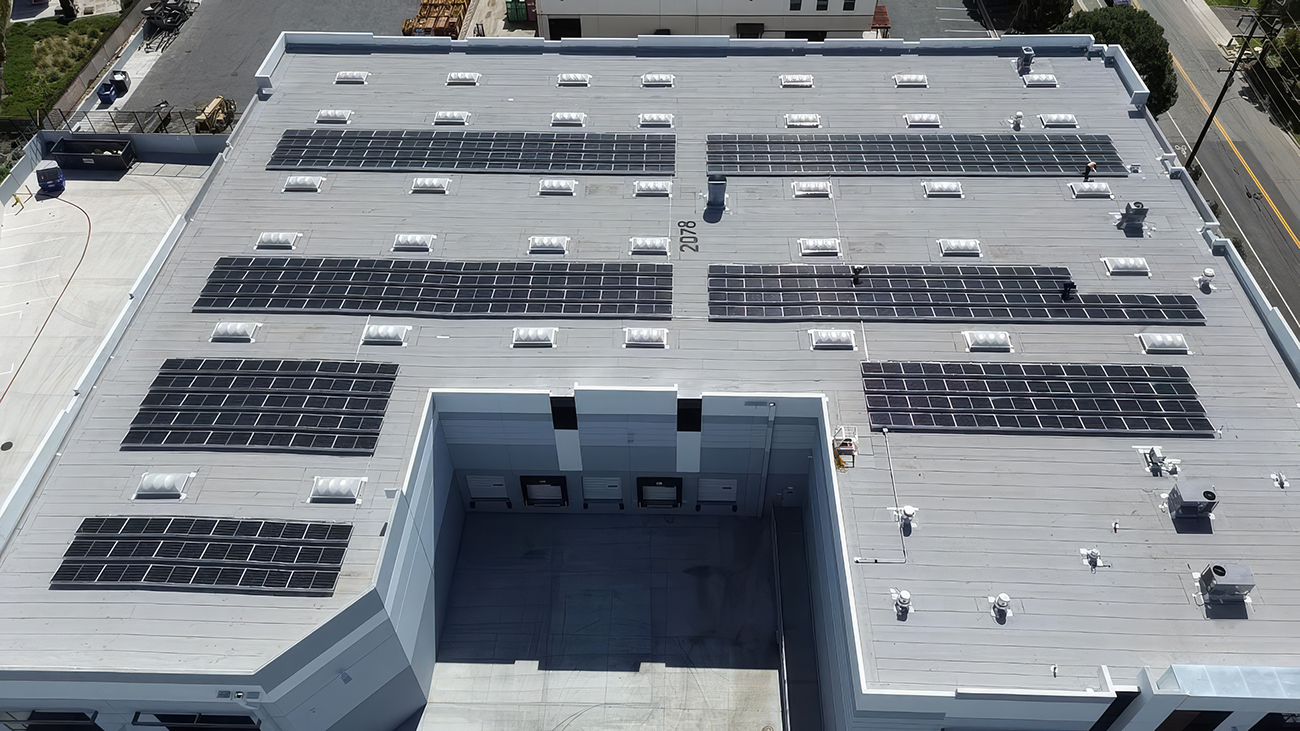
HRSEA is currently installing a large-scale solar power system on the factory rooftop, with approval from the City of Riverside. The facility will replace a significant portion of the electricity used in electric equipment production with renewable energy—aligning with global carbon neutrality trends while enhancing Hyundai Rotem’s competitiveness in future North American bids, where environmentally responsible manufacturing is becoming an increasingly important criterion.
The upcoming 2028 Los Angeles Olympic and Paralympic Games represent a significant opportunity for HRSEA. As rail infrastructure expansion accelerates to accommodate large-scale passenger demand, the ability to supply locally validated electric systems on schedule will serve as Hyundai Rotem’s strongest competitive advantages.
Although HRSEA has only recently begun operations, it is already reshaping the landscape of the North American railway market. As CEO Lee Yong-bae emphasizes, “quality is a value that cannot be compromised.” Under the bright sun of Riverside, Hyundai Rotem is helping shape the future of rail North American rail. This journey—bringing the “heart” of railway systems to life locally—will stand as a defining milestone in Hyundai Rotem’s evolution into a global leader in rail technology.